
Personal Work
This portfolio shows my landscape photography, personal projects, exhibitions, publications and press.
I am drawn to capturing moments in time and preserving them with my camera. Particularly how the changing light and weather alters our surroundings and how it may never be quite the same again. When our memories start to fade, our photographs do not.
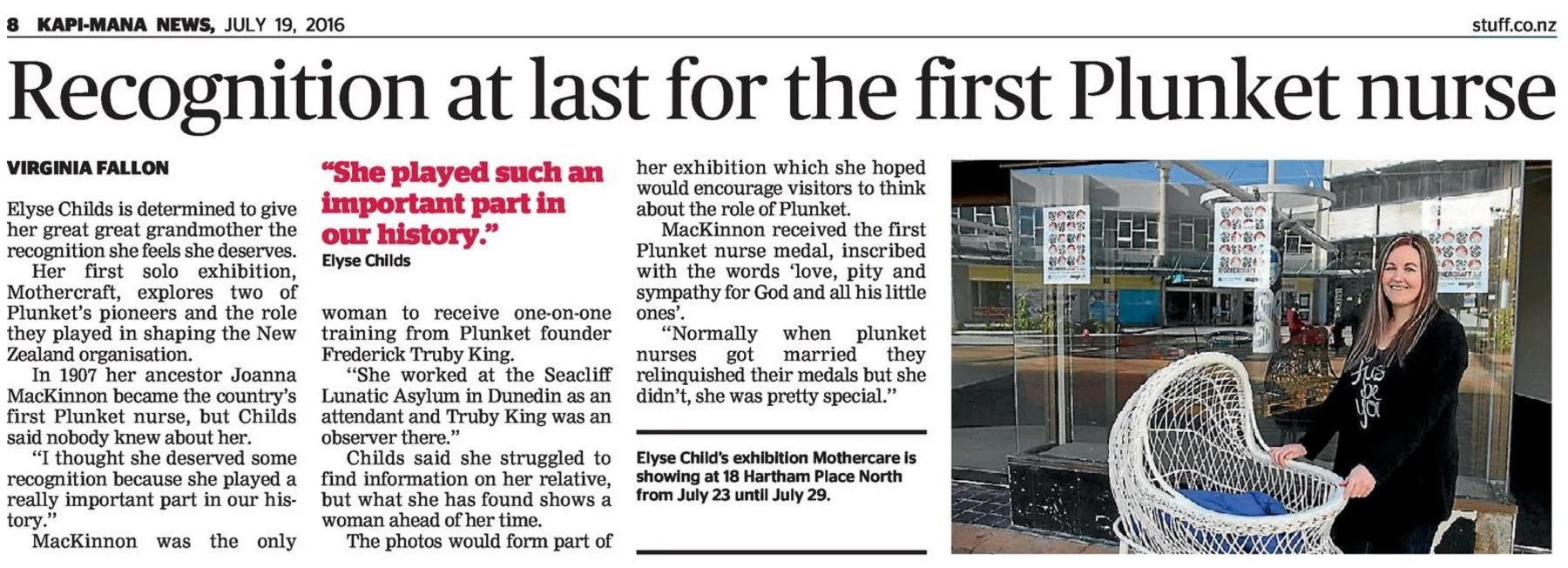
My personal projects and exhibitions were driven by the desire to tell the story of my pioneering great-great grandmother, Joanna MacKinnon, who was New Zealand’s first Plunket Nurse. I was interested in how her pioneering efforts have influenced society today and whether she shared the controversial ideologies of Plunket founder Sir Frederic Truby King.
Joanna has been mentioned in some publications (with thanks to those particular authors), but her work has always been overshadowed by Truby King’s, even though she was the one out in the field implementing his one-on-one teachings.
I’d like to give a personal thanks to John and Ian at the Waikouaiti Coast Heritage Centre for the work they are doing at present to raise awareness about the remarkable woman that Joanna MacKinnon was, a woman well ahead of her time who improved the lives of countless women and babies.
You can stay updated on Facebook and Instagram.
Landscape
A snippet of some of my favourite scenes from over the years from places I’ve lived and visited. Every moment etched in my memory thanks to the magic of photography. The Isle of Skye was the birthplace of Joanna and I was fortunate enough to visit there in 2017. One year after I completed my degree project about her.
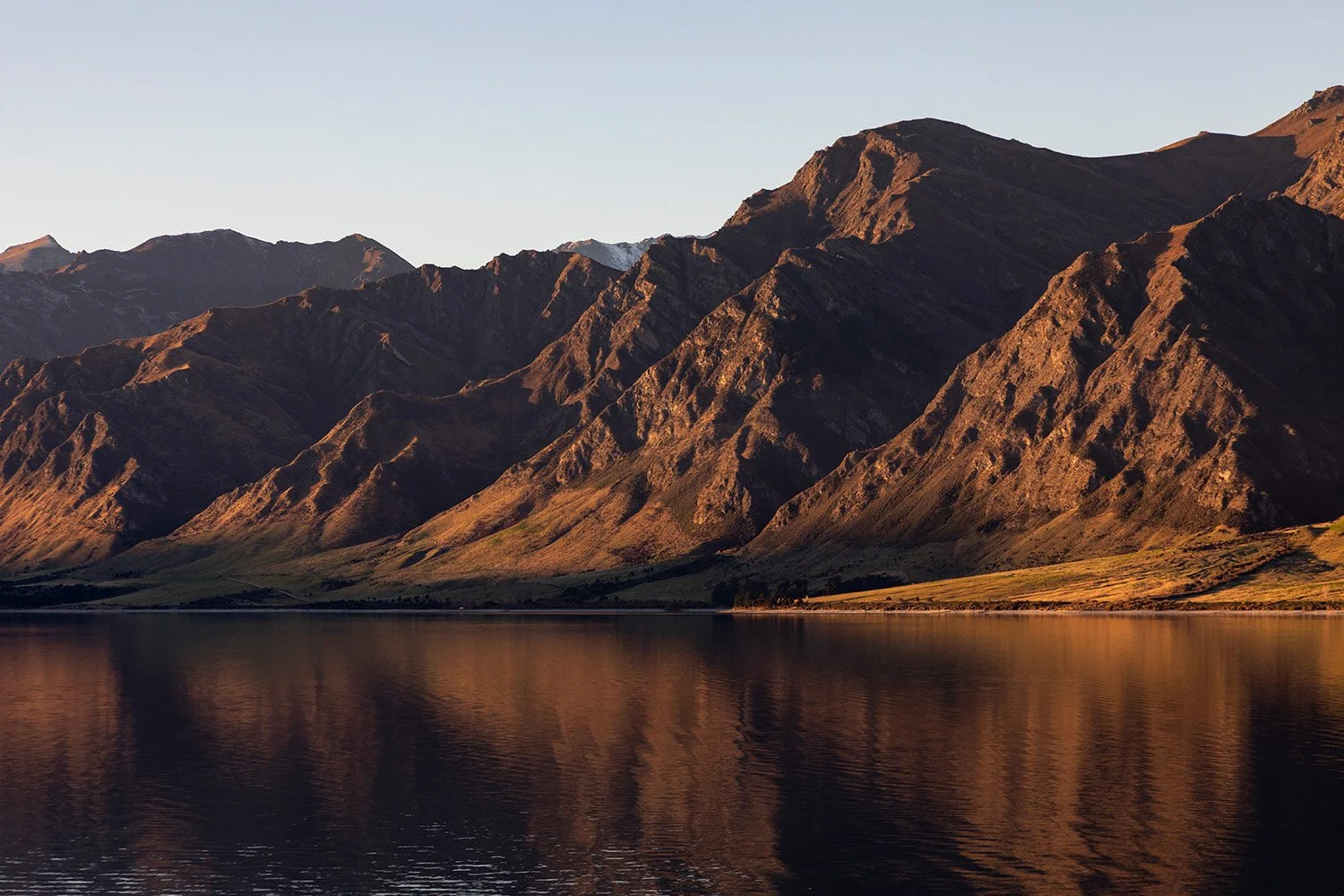
Lake Hawea, Wanaka, New Zealand
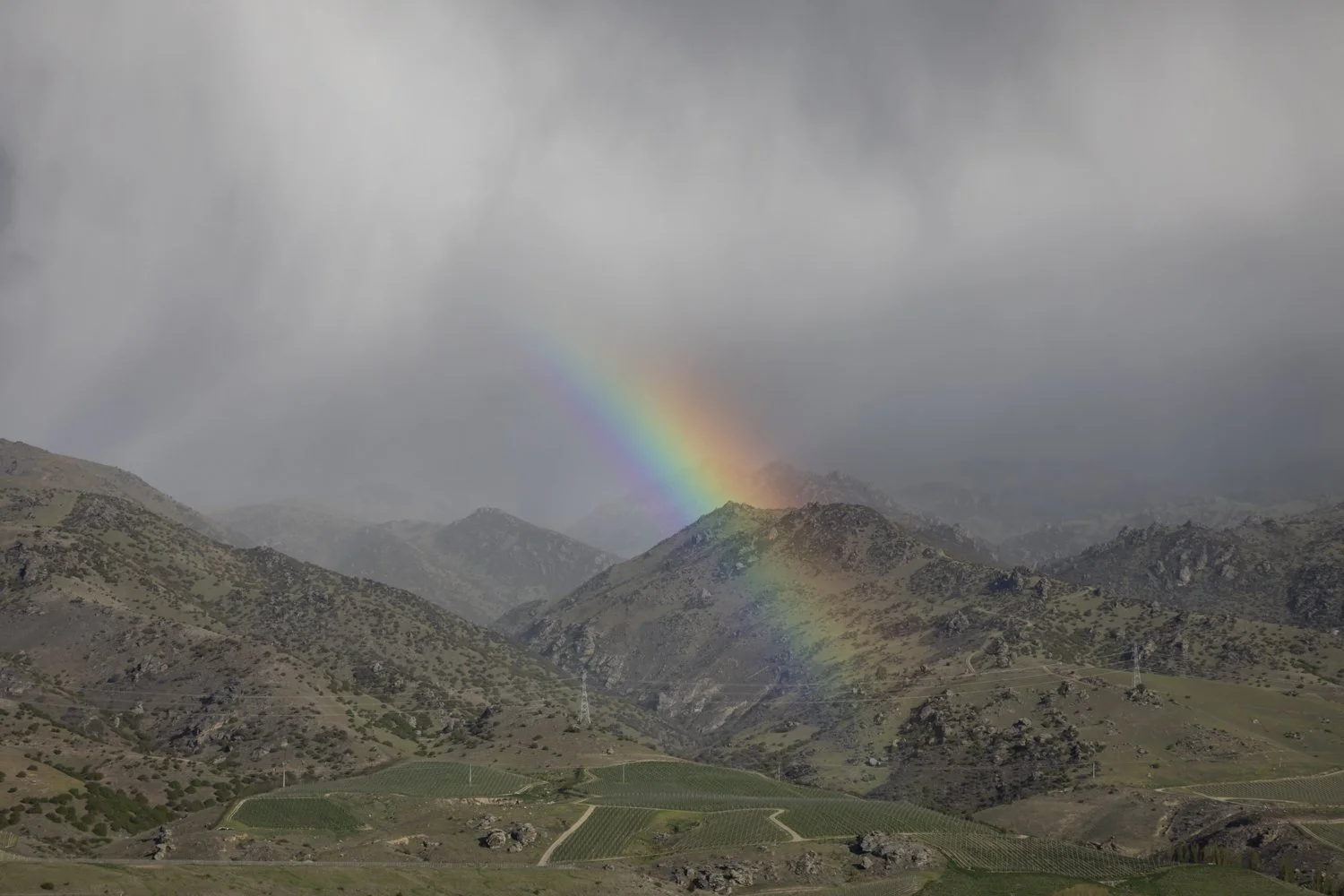
Cromwell, Central Otago, New Zealand
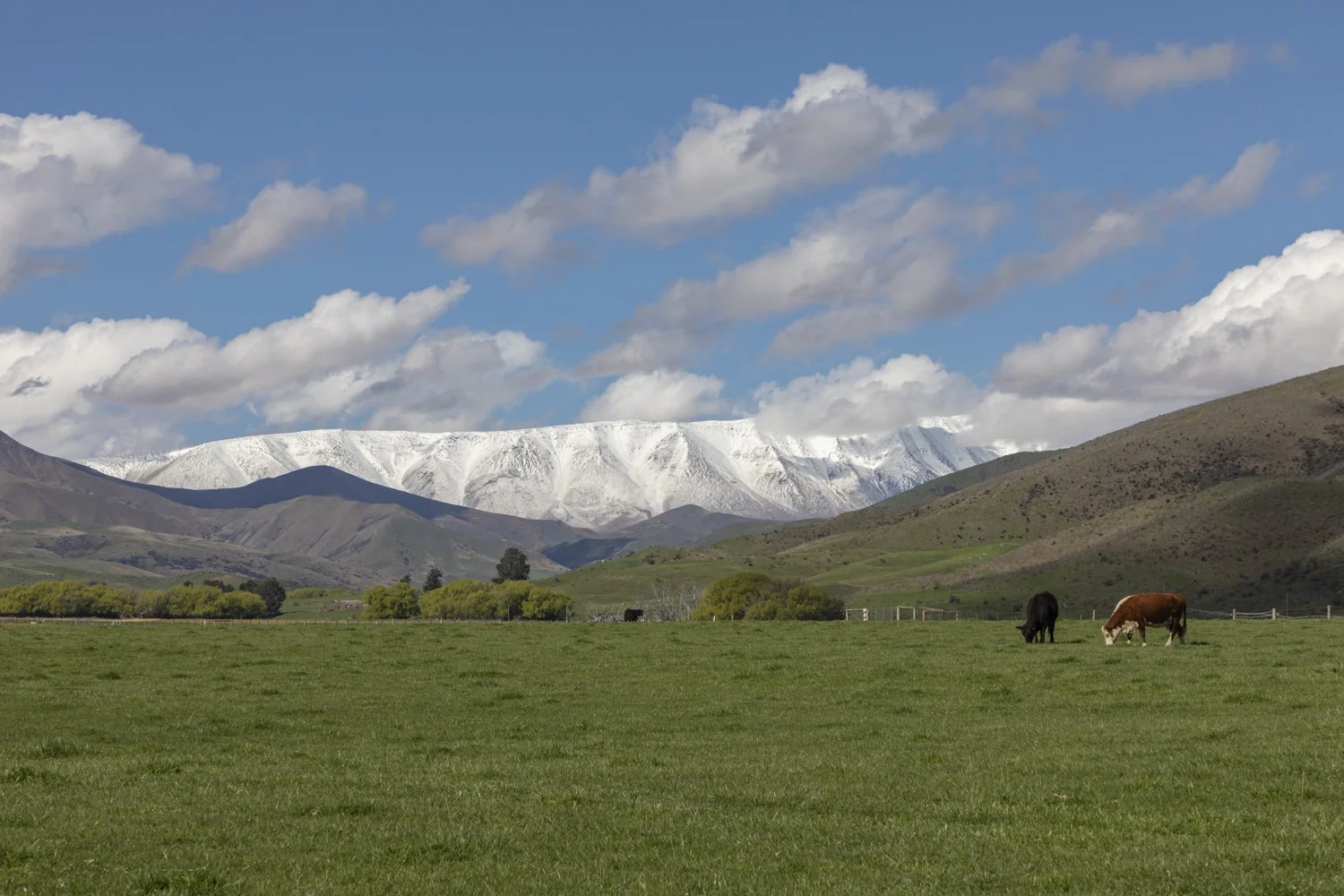
Lindis Pass, Central Otago, New Zealand
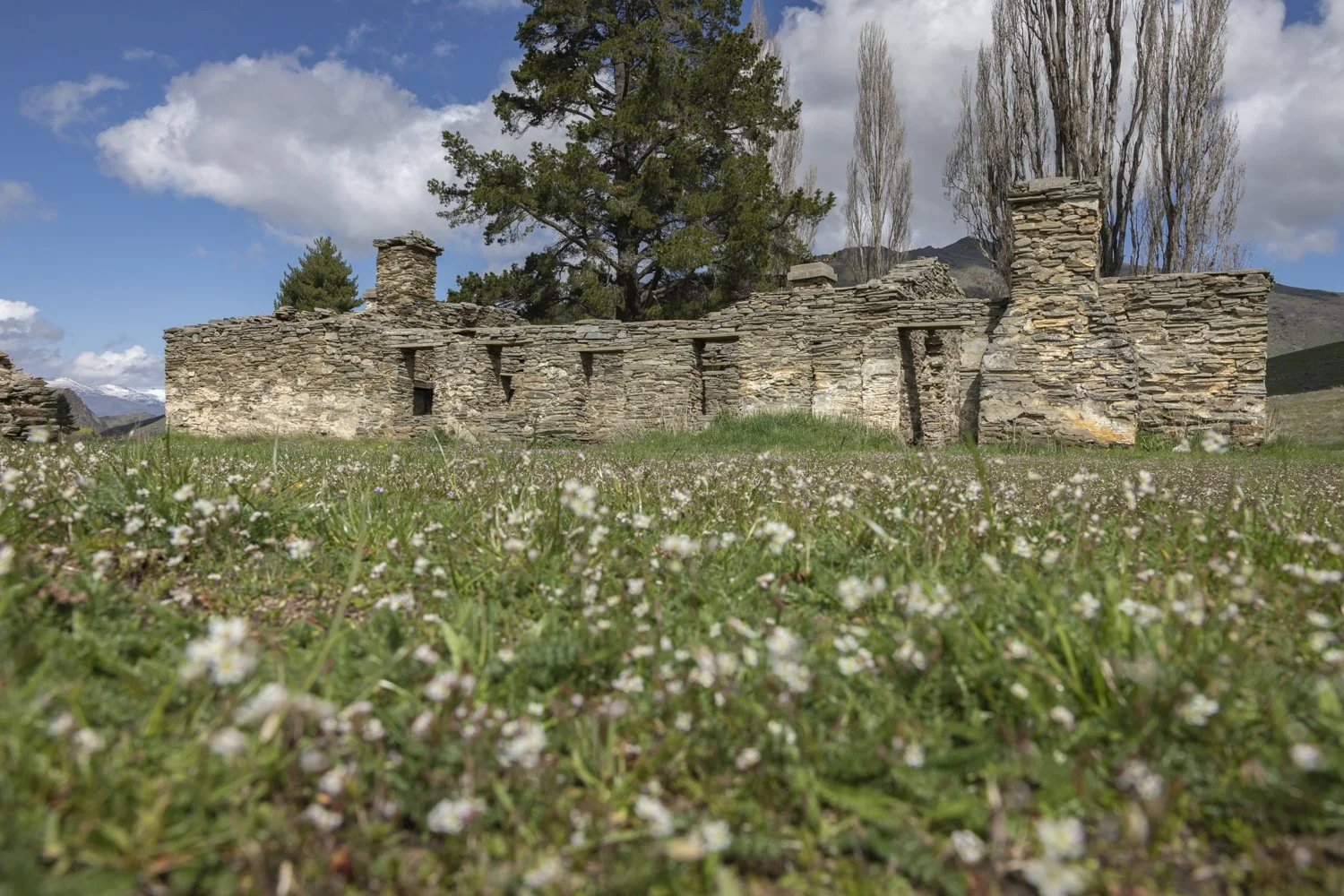
Lindis Pass, Central Otago, New Zealand
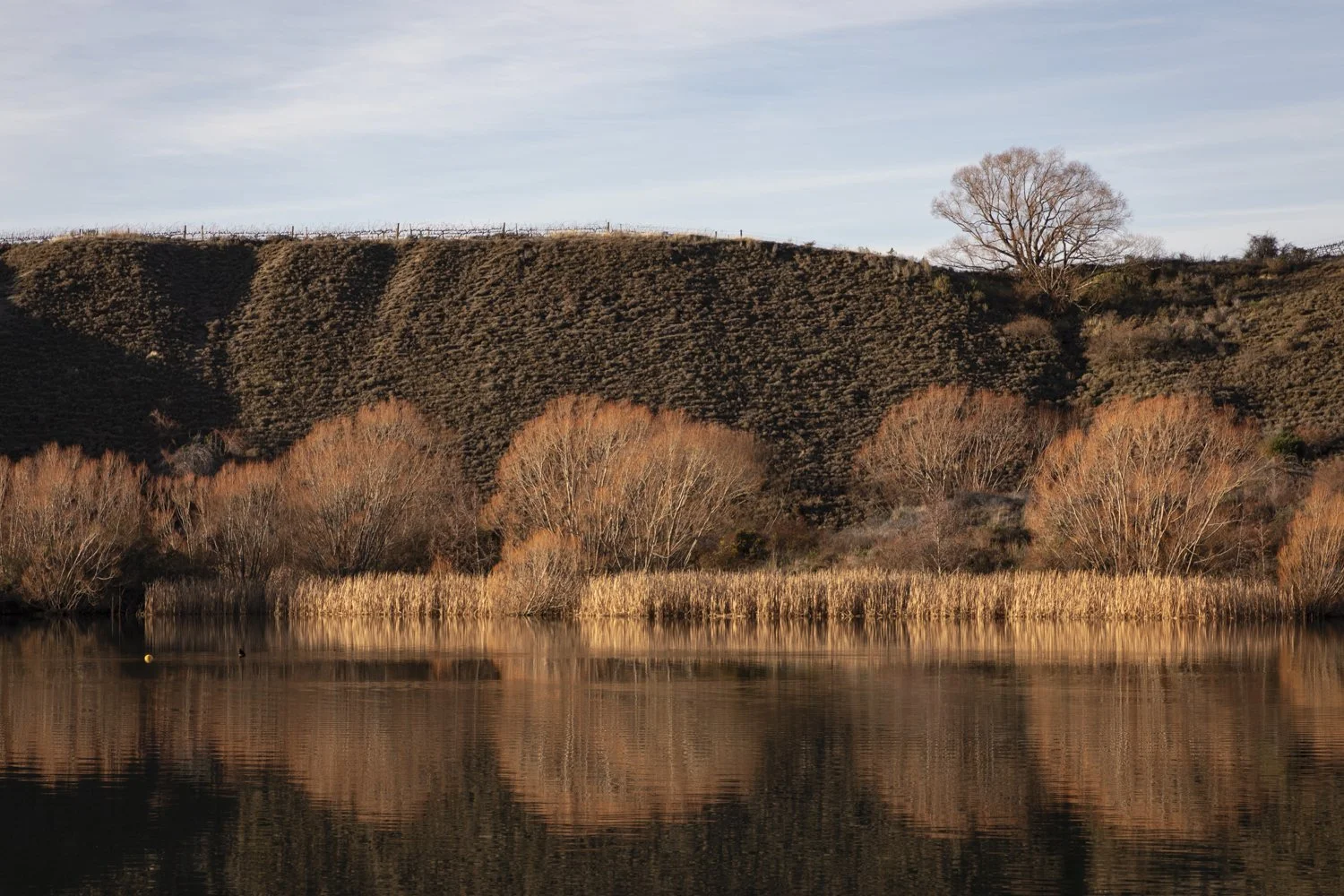
Bannockburn, Central Otago, New Zealand
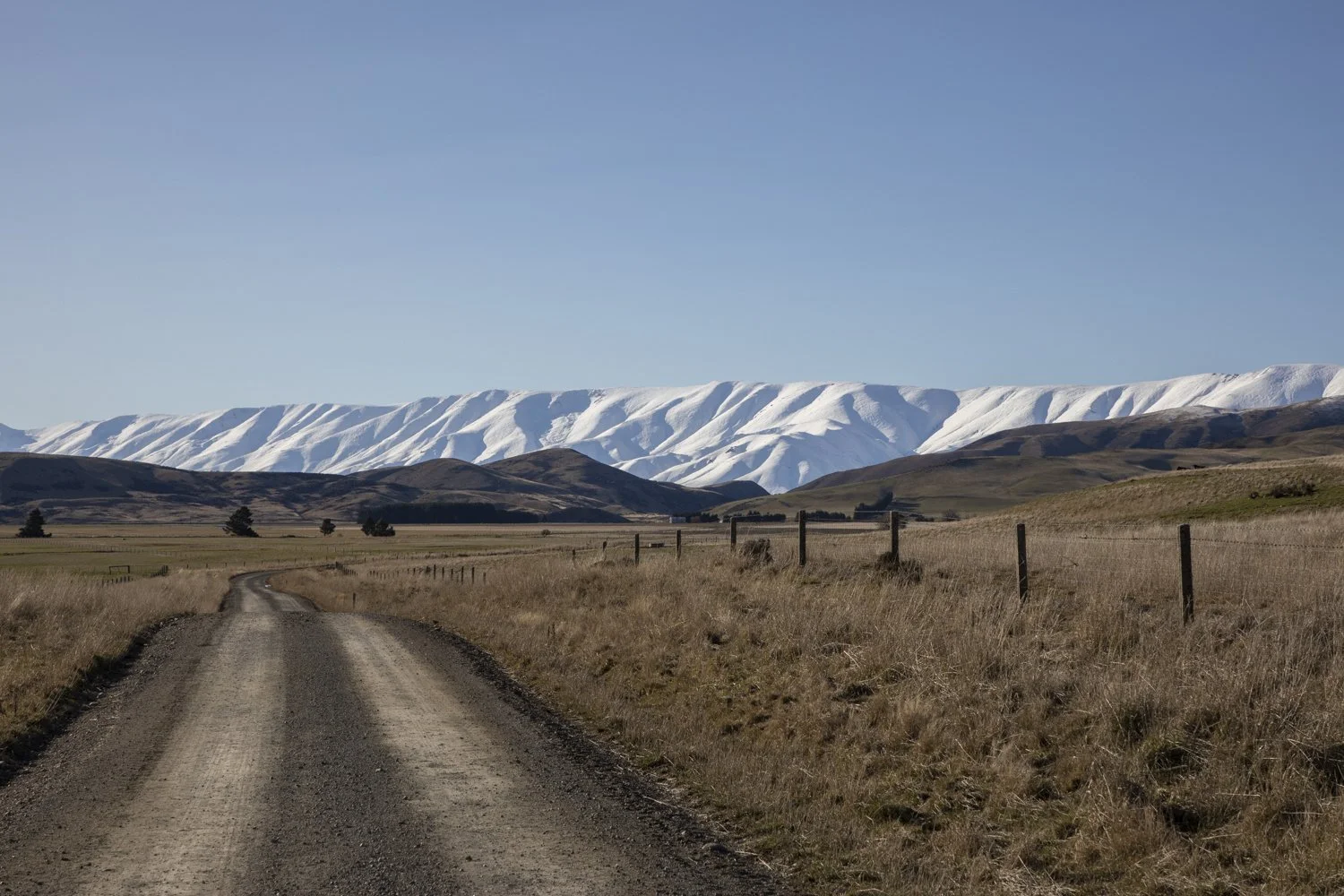
Coal Pit Road, Central Otago, New Zealand
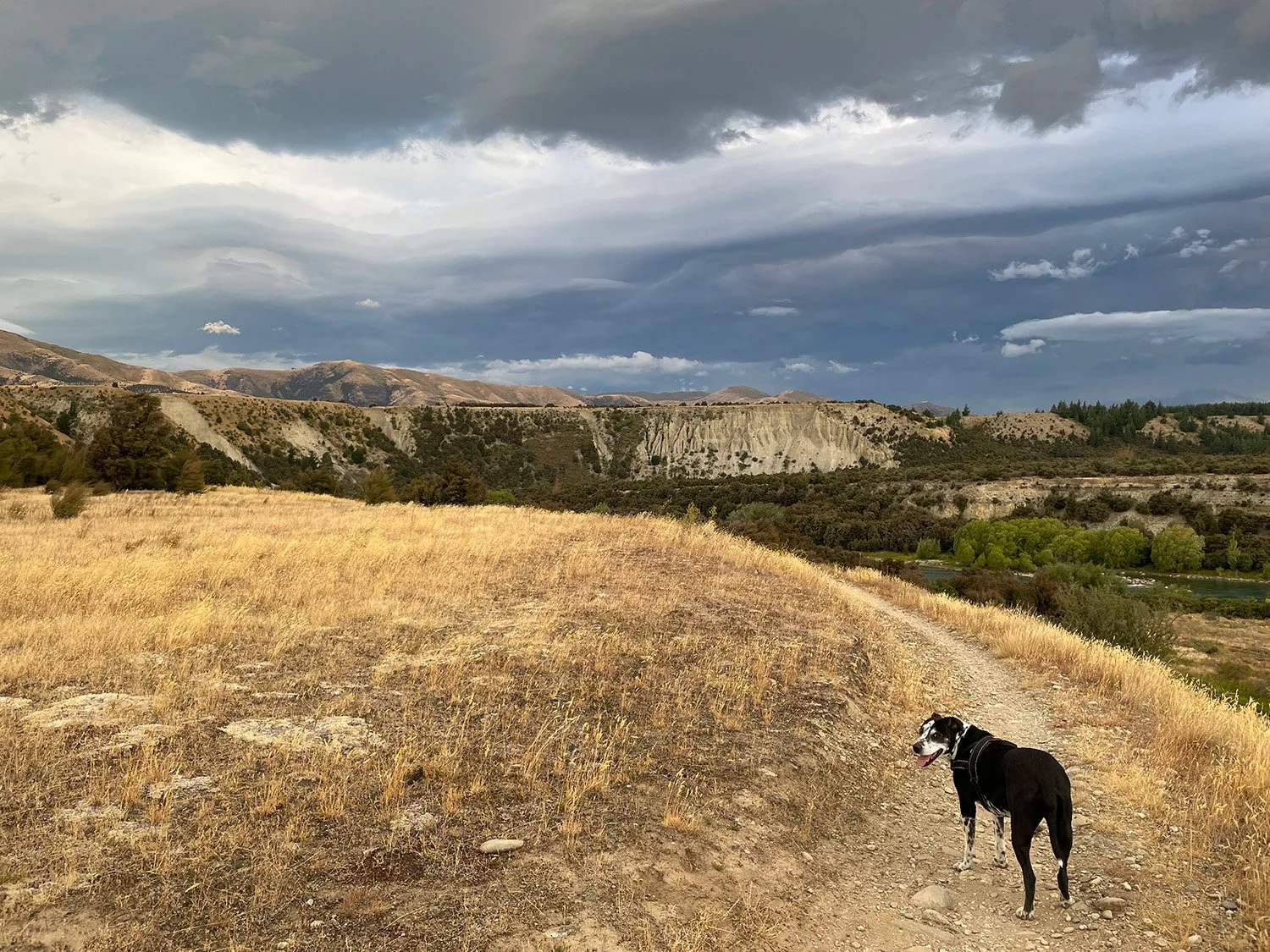
Luggate, Wanaka, New Zealand
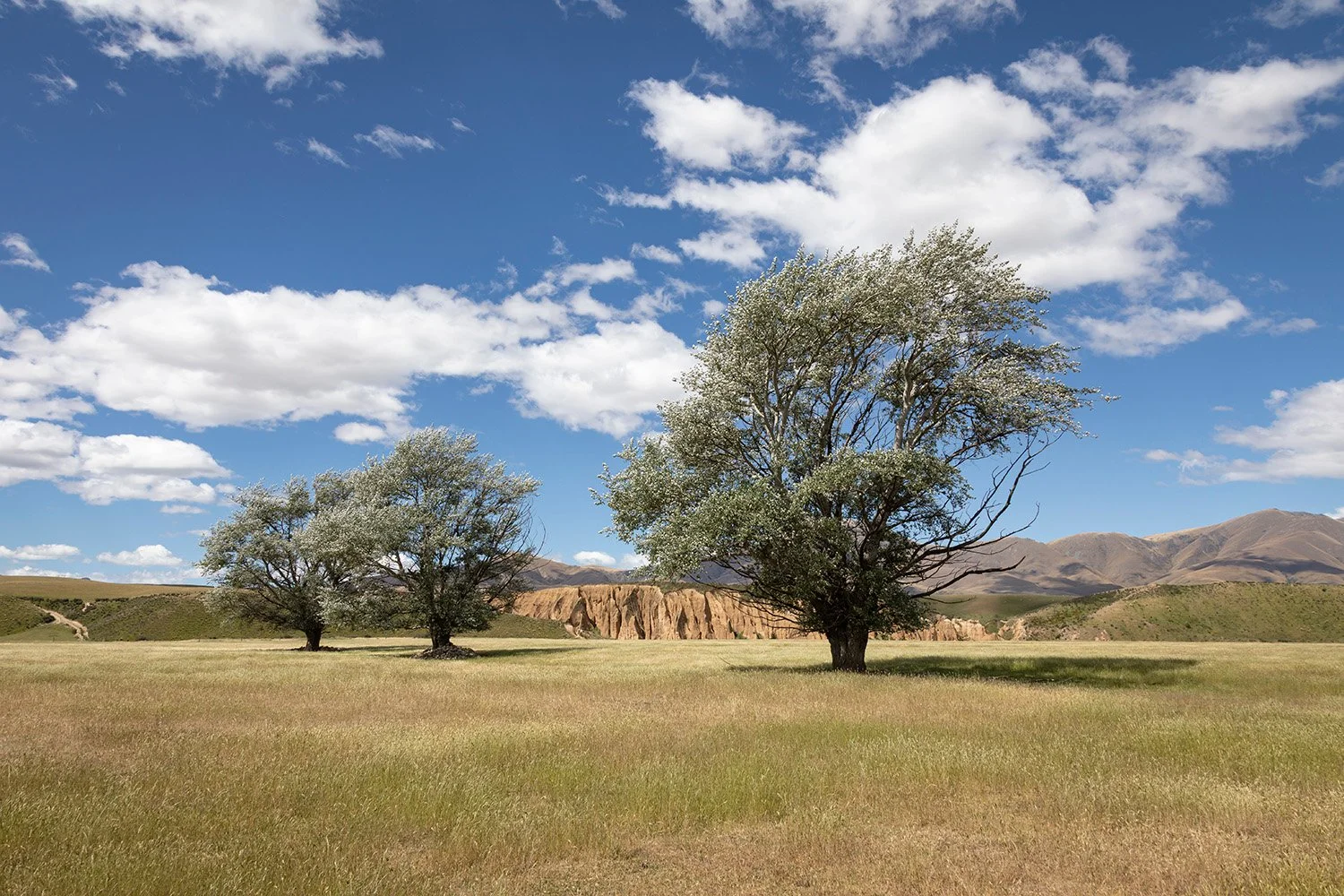
Kyeburn Diggings, Central Otago, New Zealand
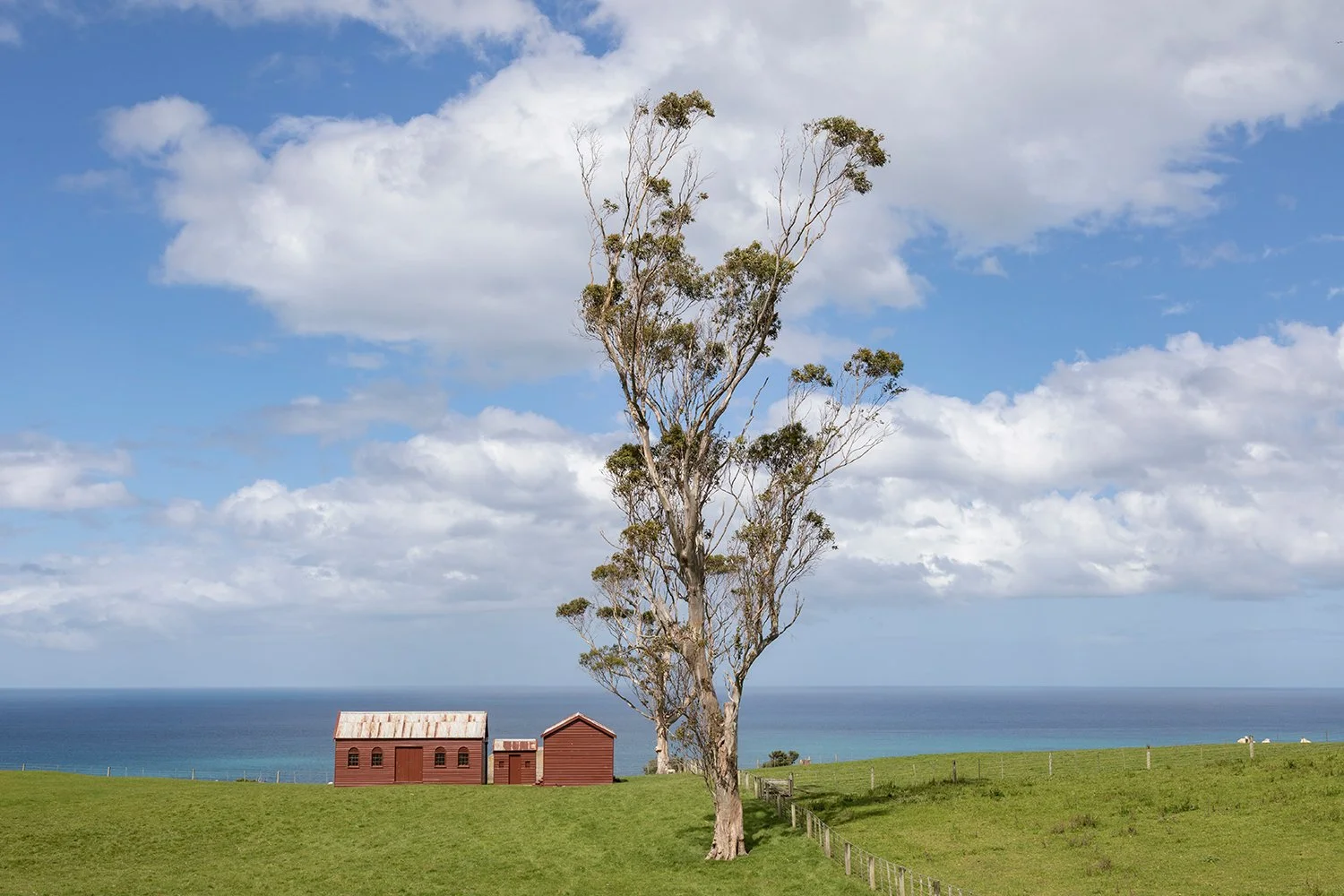
Matanaka Farm, Waikouaiti, Dunedin, New Zealand
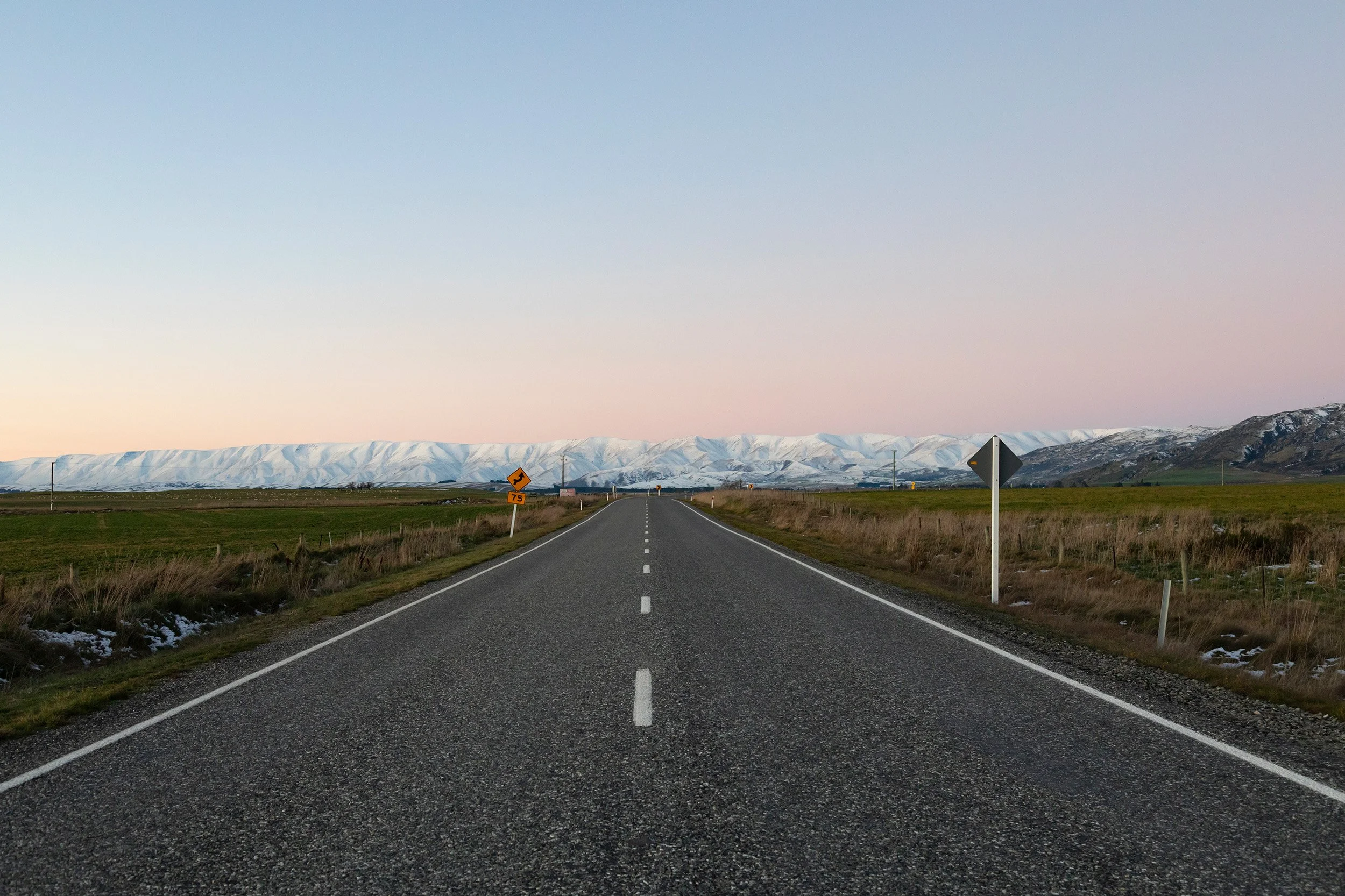
State Highway 85, Central Otago, New Zealand
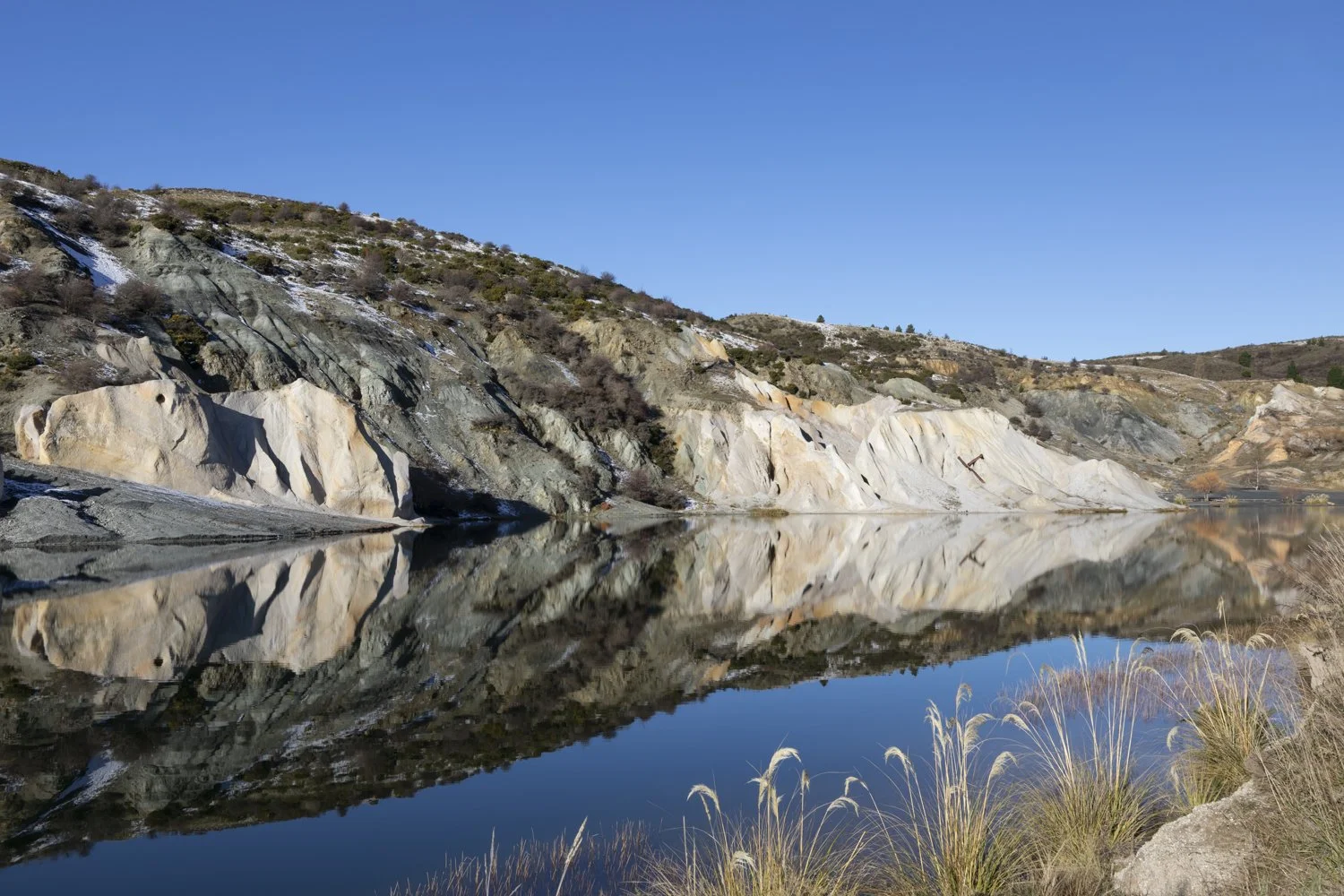
Lake St Bathans, Central Otago, New Zealand
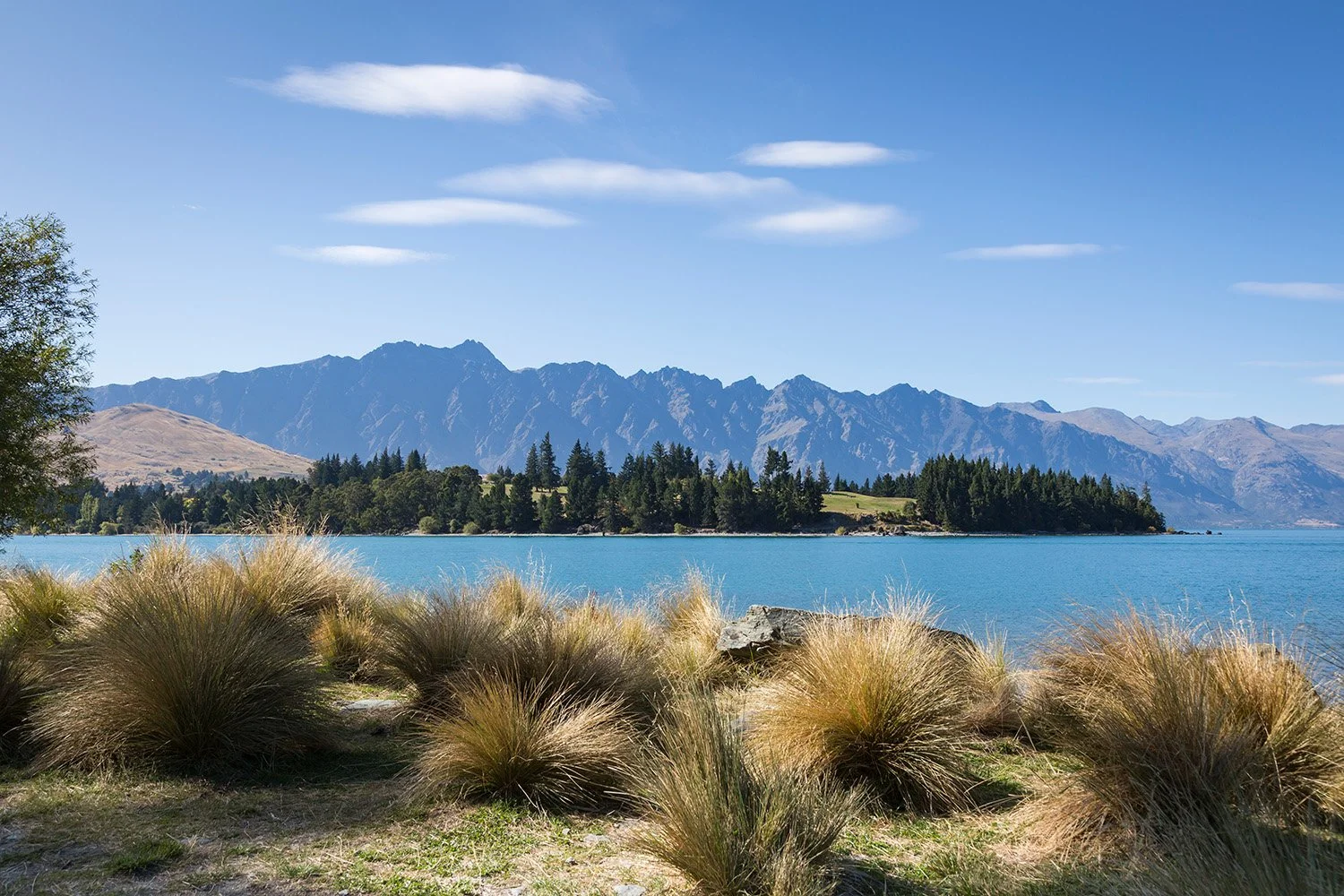
Queenstown, New Zealand
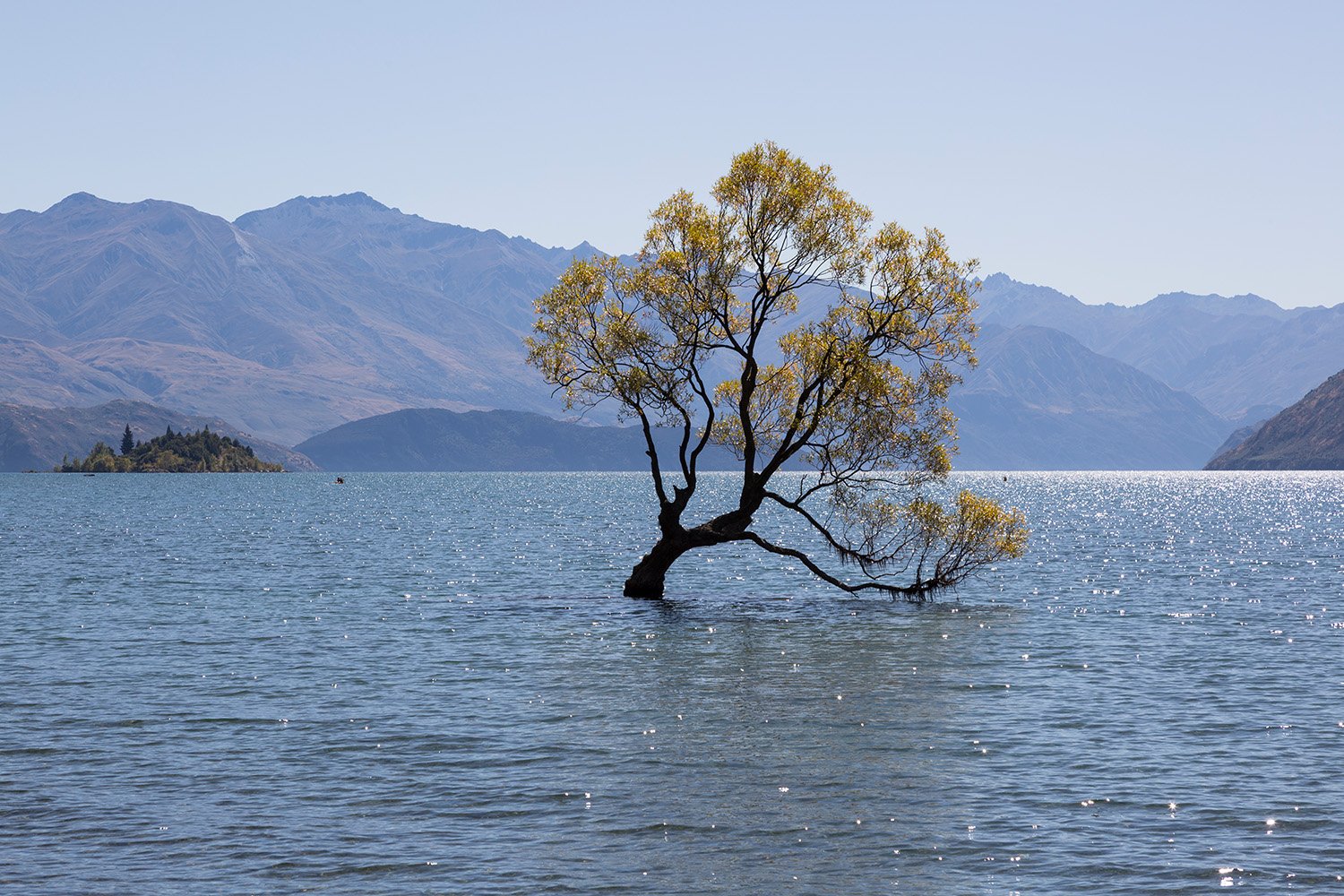
That Wanaka Tree, Wanaka, New Zealand
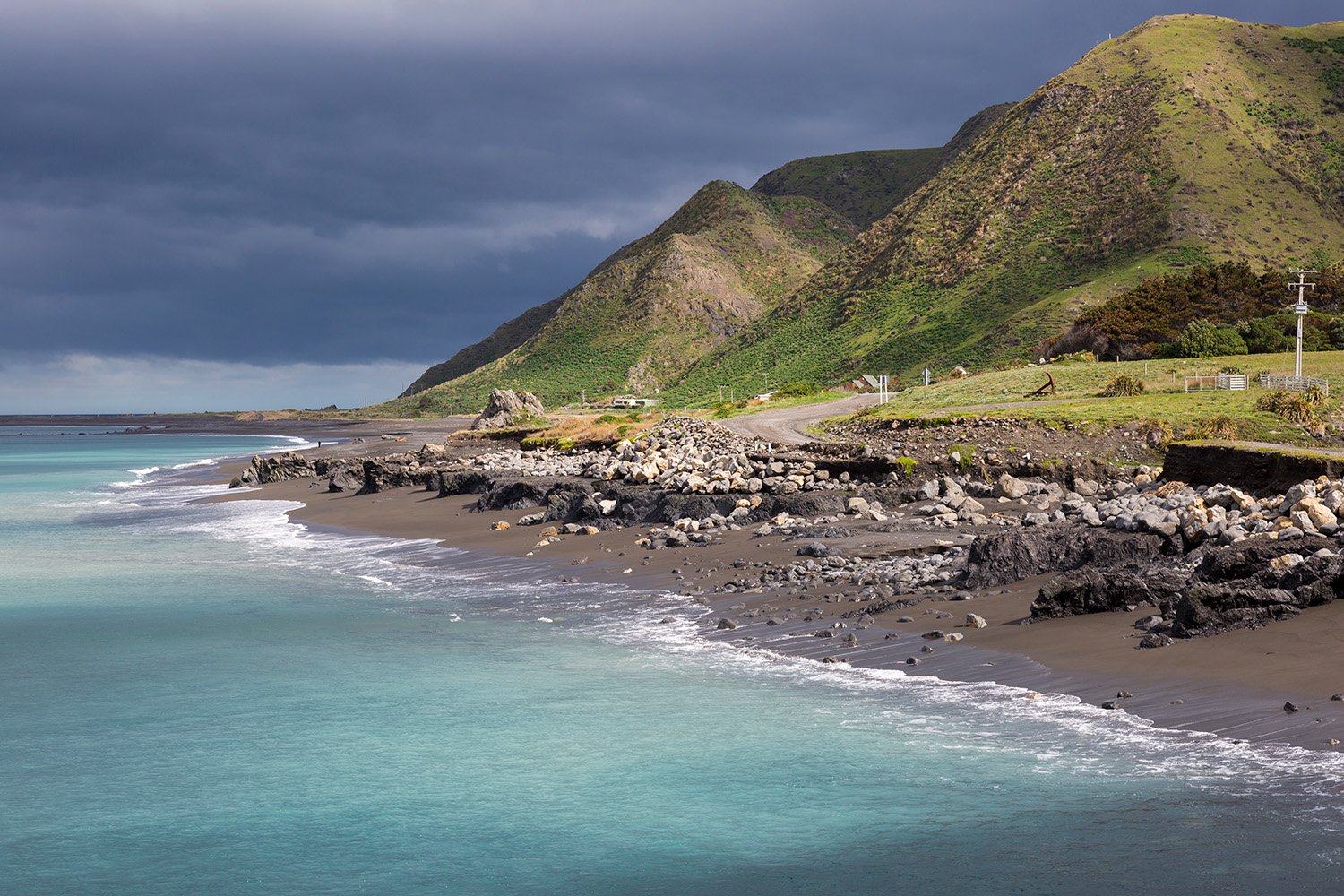
Cape Palliser, South Wairarapa, New Zealand
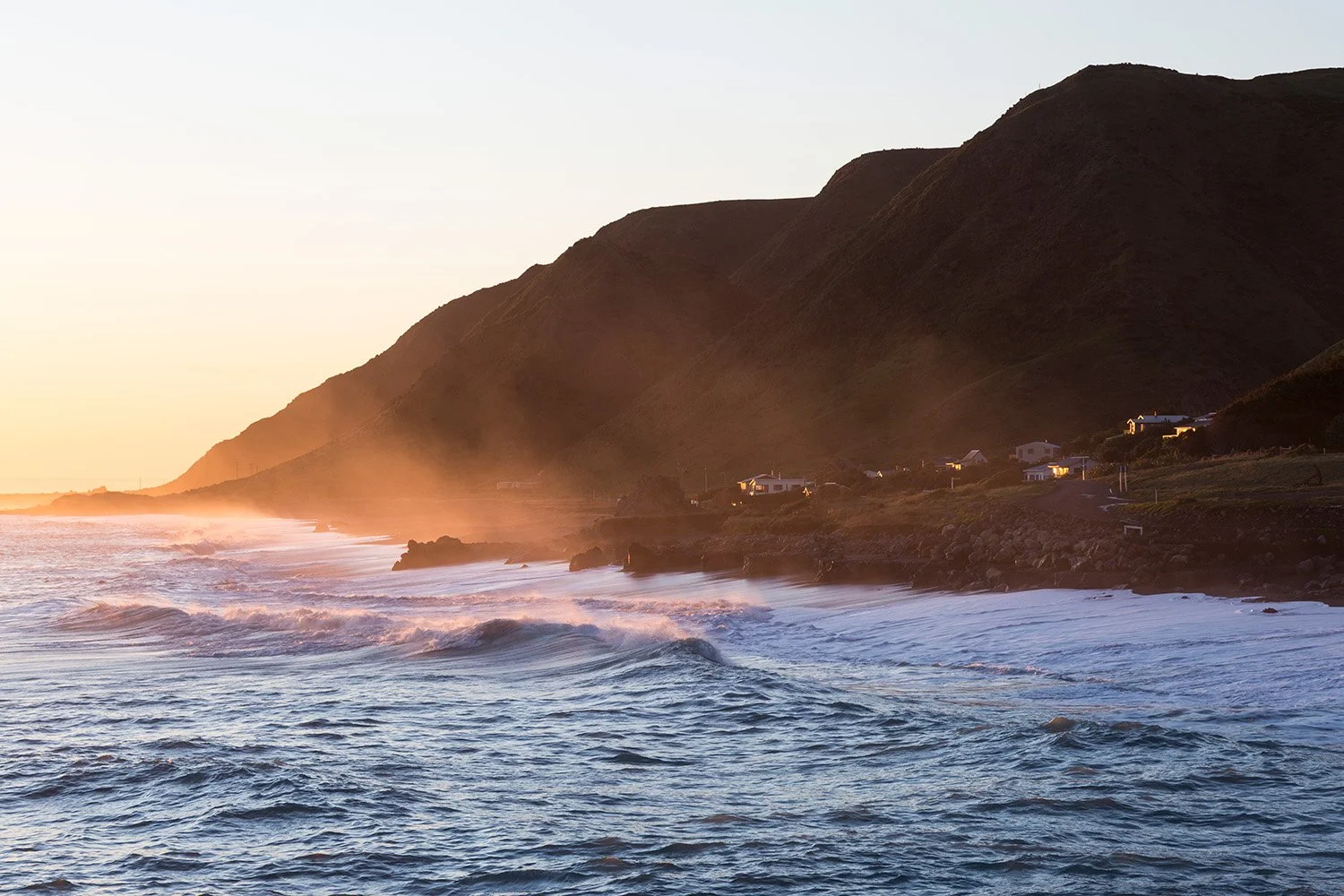
Cape Palliser, South Wairarapa, New Zealand
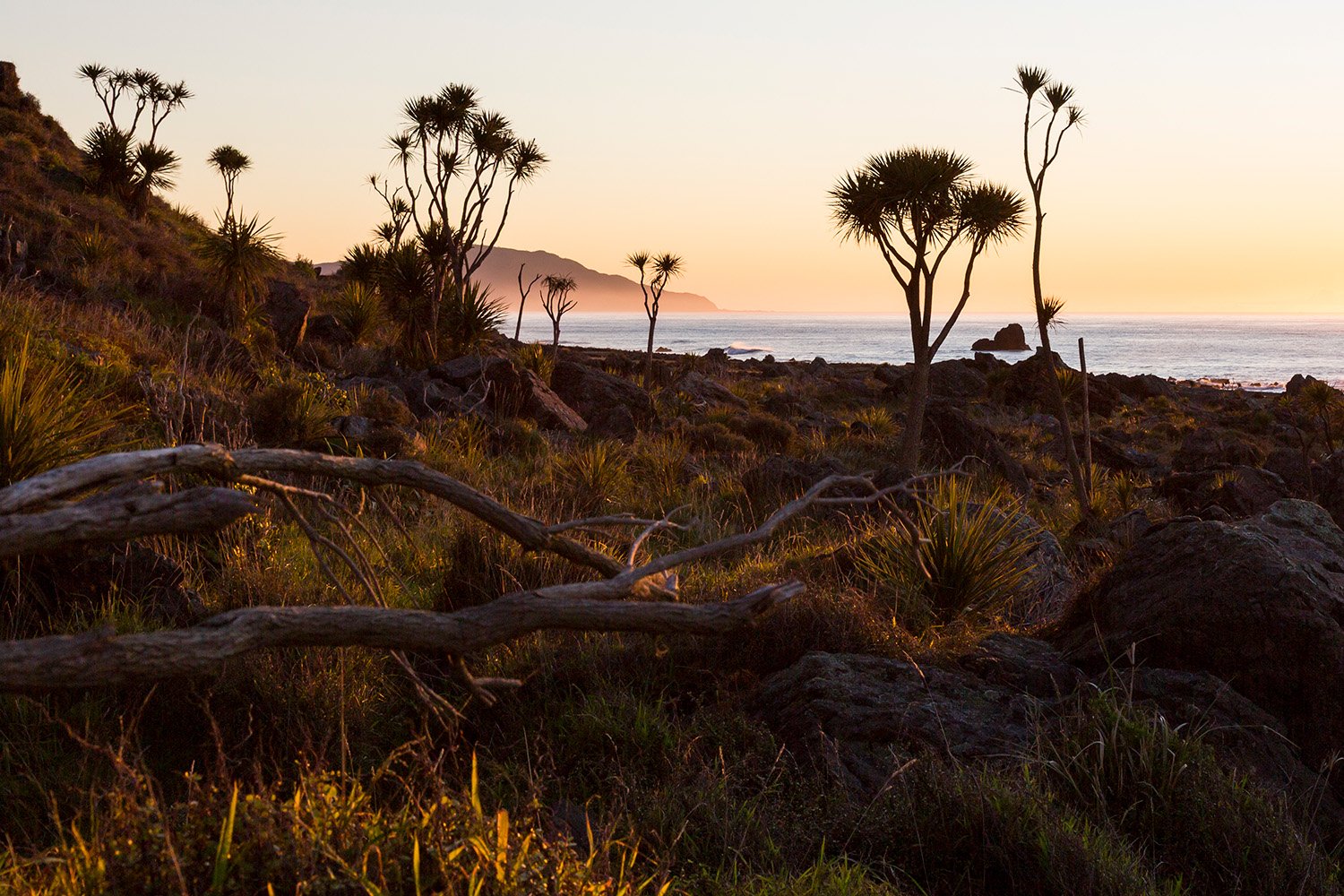
Cape Palliser, South Wairarapa, New Zealand
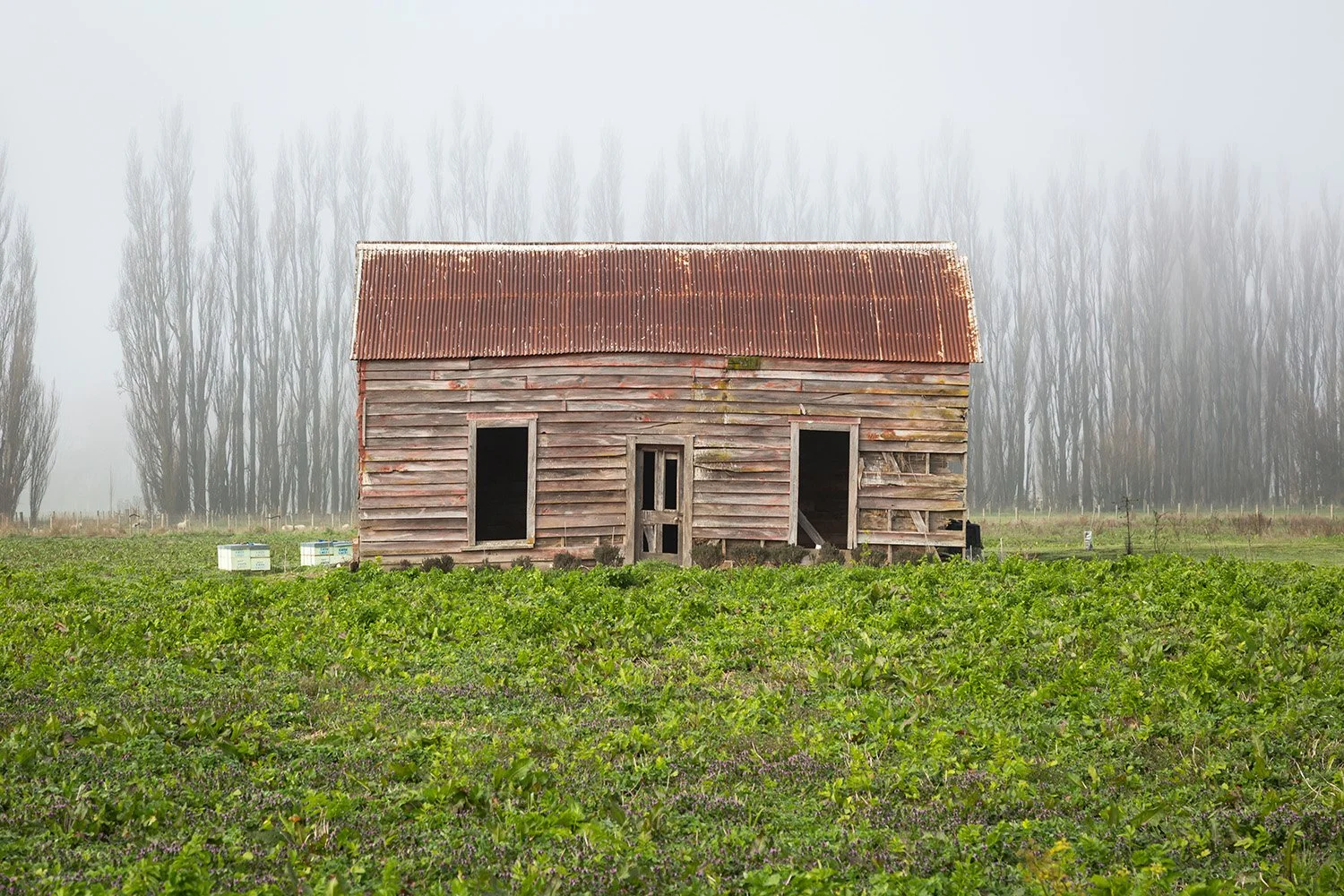
Greytown, Wairarapa, New Zealand
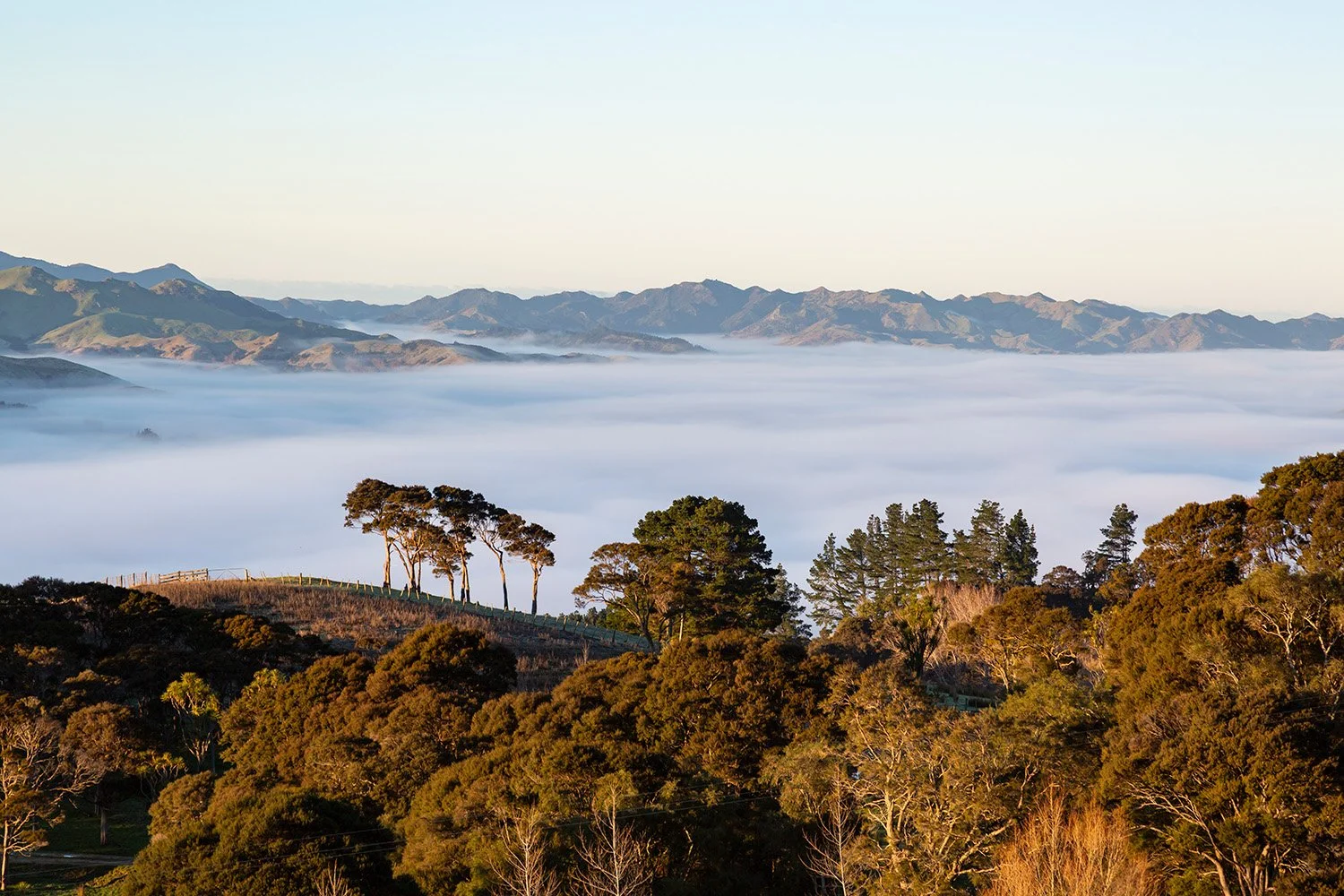
Admiral Hill, Wairarapa, New Zealand
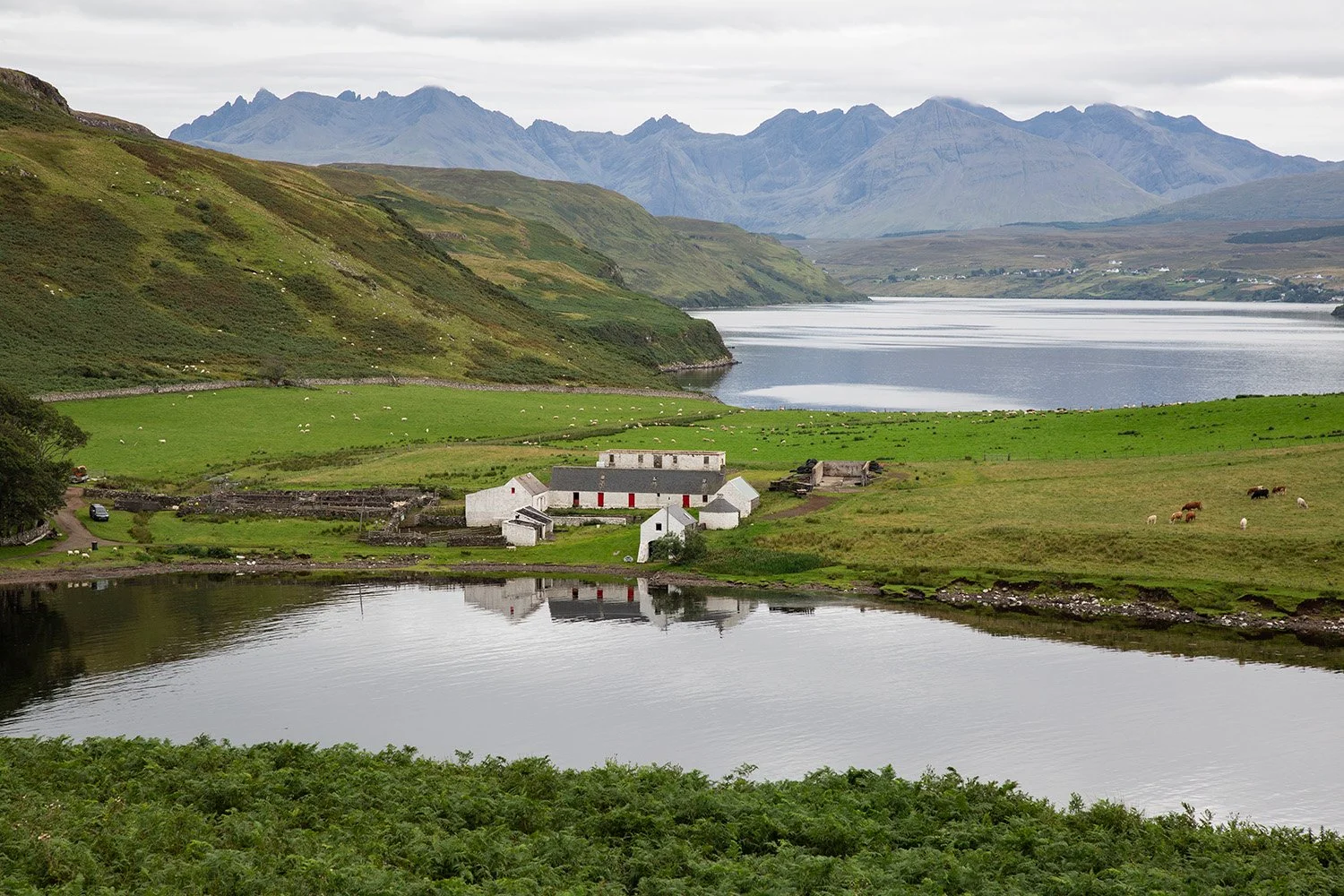
Gesto Farm and the Cuillin range, Isle of Skye, Scotland
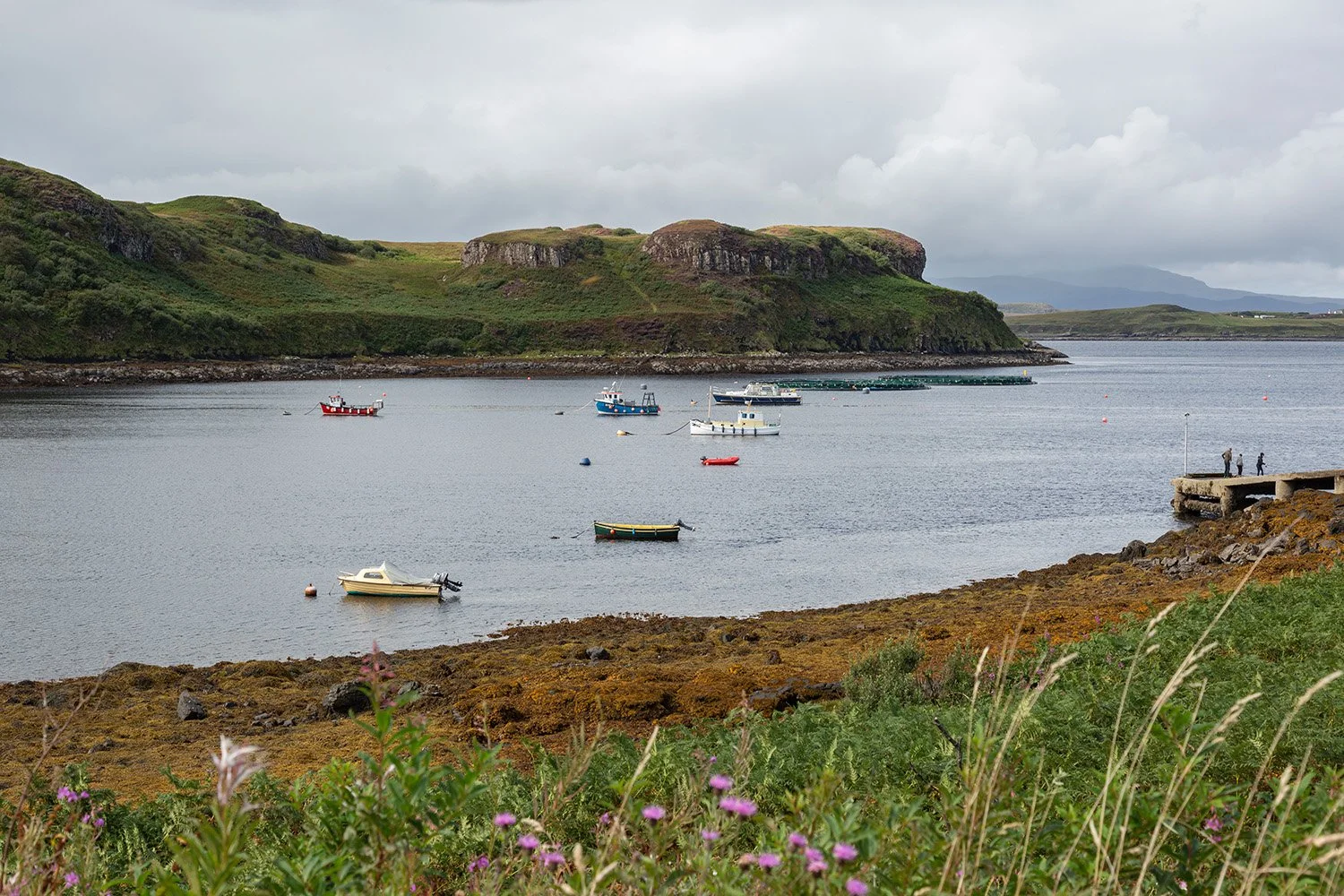
Isle of Skye, Scotland
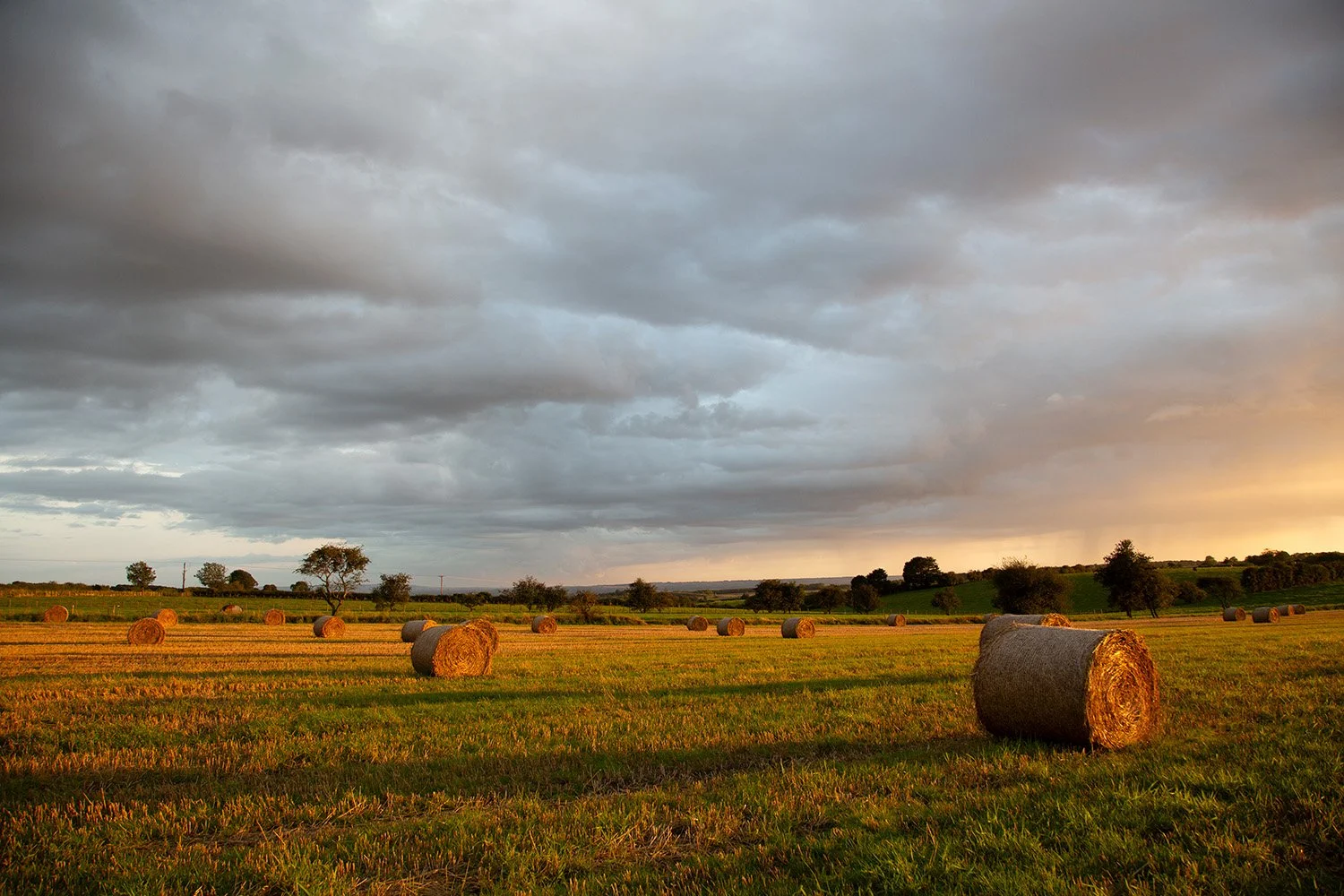
Newton-on-Rawcliffe, North Yorkshire, United Kingdom
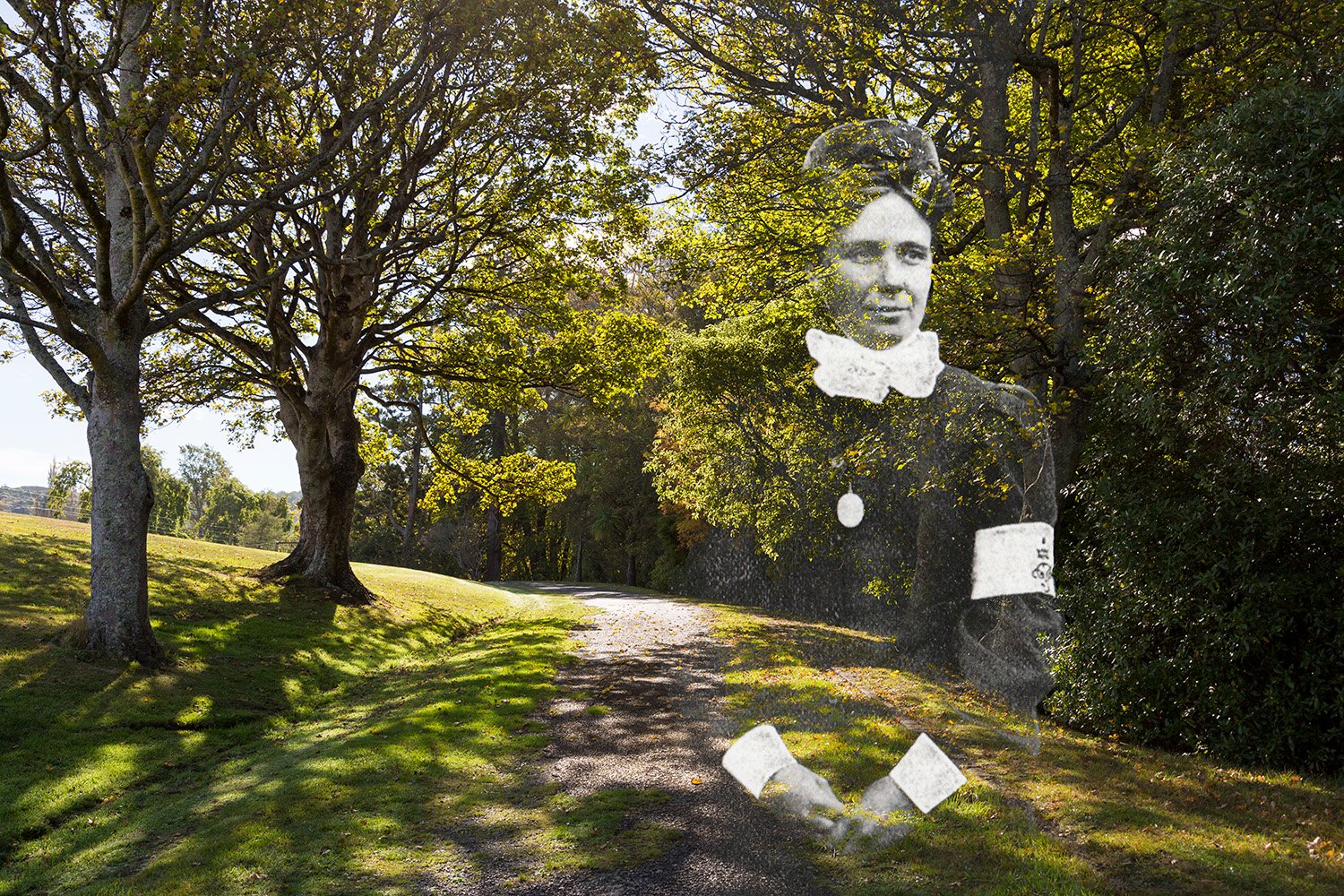
Truby King Recreational Reserve, Seacliff, Dunedin, (feat. Joanna MacKinnon) New Zealand
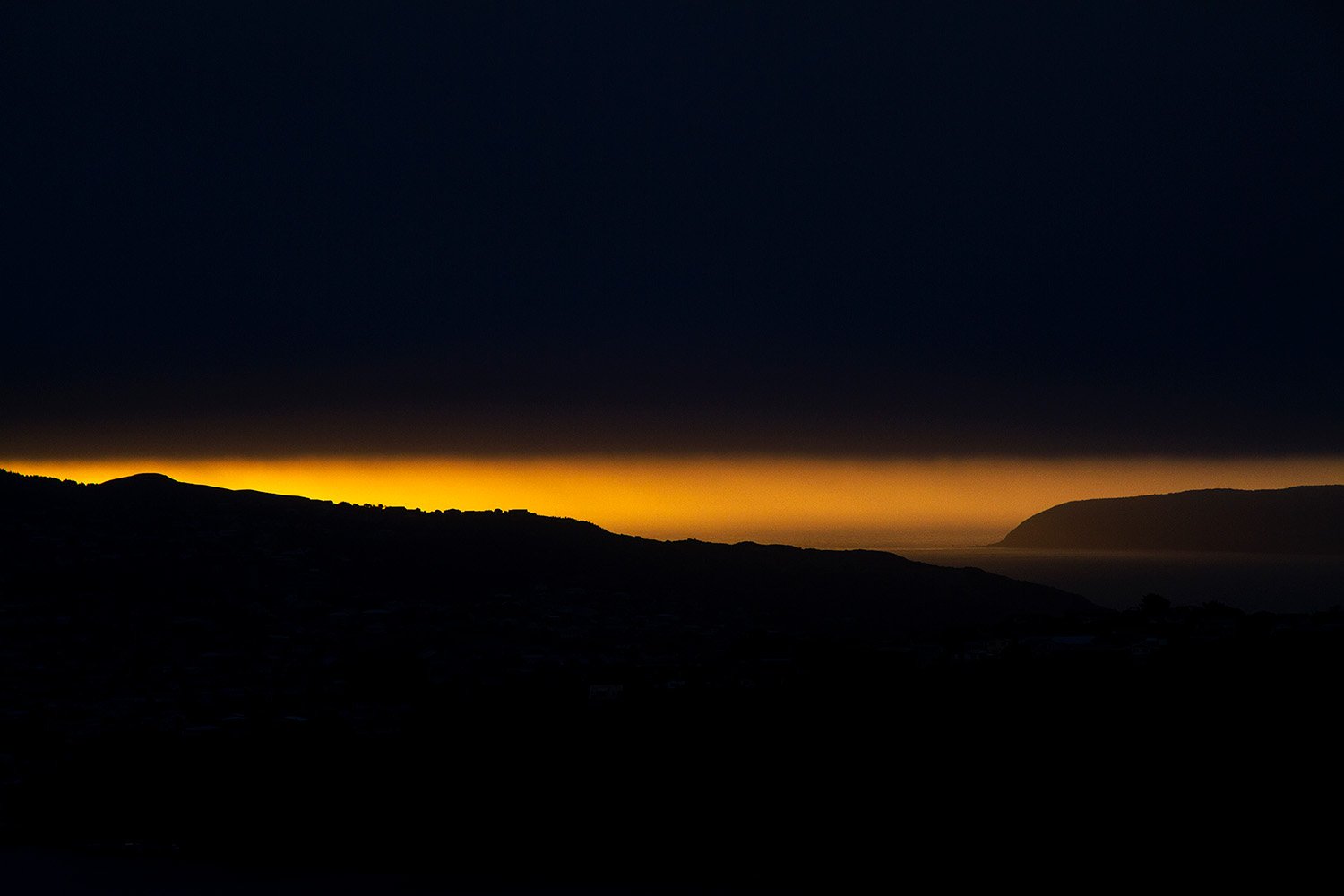
Titahi Bay & Mana Island, Porirua, New Zealand
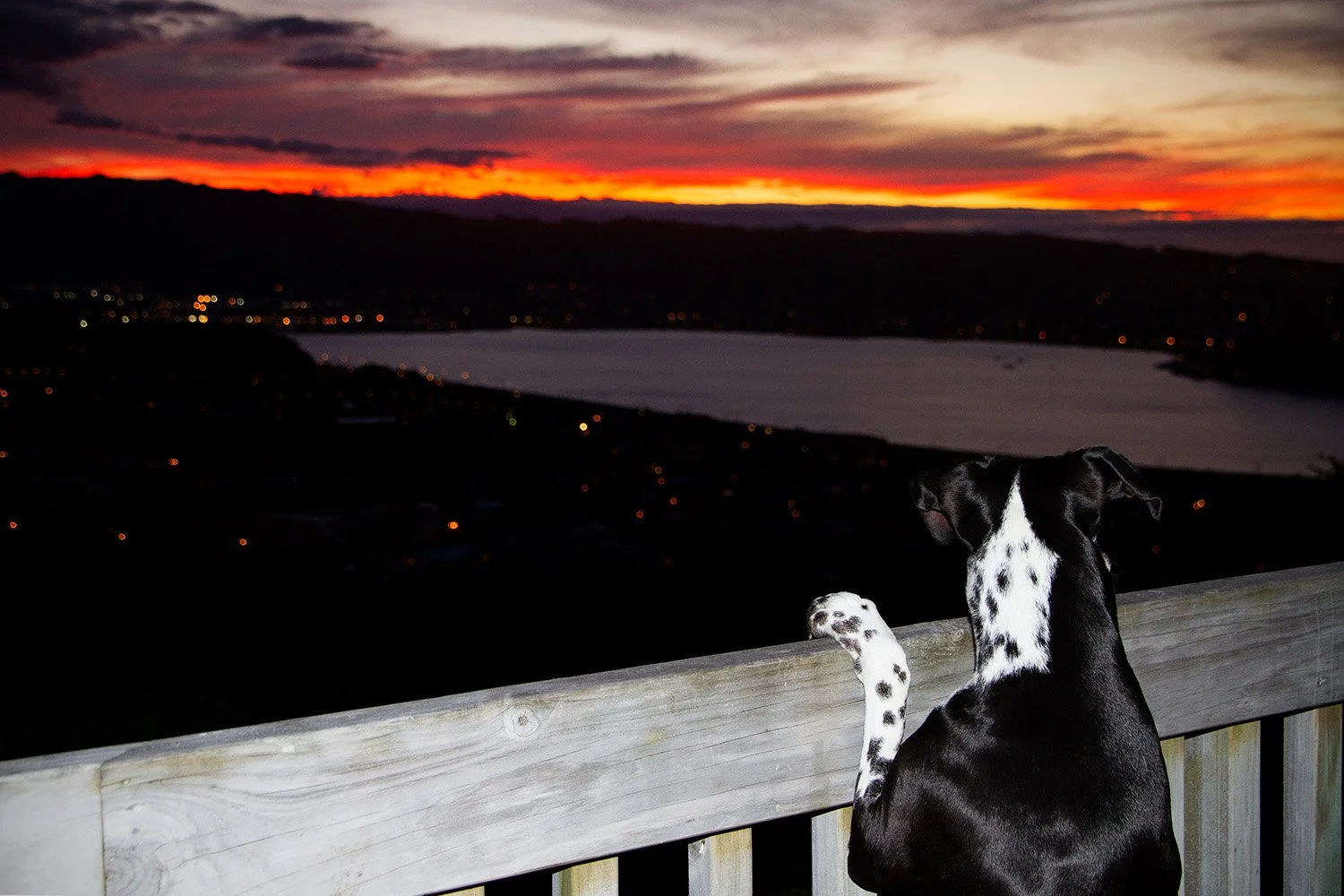
Doncaster Heights overlooking Porirua, (my Maggie loved a good view too), New Zealand
A letter to the first Plunket Nurse
I returned to study for a year in 2016 to achieve a Bachelor of Applied Arts (Visual Arts & Design) majoring in photography. I completed a year long body of work project alongside other subjects. I already knew that I wanted to focus on Joanna MacKinnon, my great-great grandmother and New Zealand’s first Plunket Nurse.
As a visual artist, I am interested in my ancestry and how the past actions of my family have influenced modern day New Zealand society. Dear Joanna - A letter to the first Plunket Nurse is made up of a variety of mixed media works which celebrate my great-great grandmother, Joanna MacKinnon, and her pioneering contribution as New Zealand’s first Plunket Nurse. My work also asks the question: Is Plunket relevant in today’s society? And if so, what form should it take?
The below video was produced with Helena Bowater. It includes my artworks, narrative and sourced material. My mixed media works included scans, collage, cross stitch, projection onto cloth nappies, videography, historical footage of Joanna, including her narration, historical photos and footage.
This was shown at Toast, our graduate exhibition at Pataka in Porirua alongside two other works.
With special thanks to Hocken Collections in Dunedin, Archives New Zealand, Otago Daily Times, Dunedin Public Library and my tutors from Whitireia and The Photo School.
Video shown at group graduate exhibition ‘Toast’, Pataka, Porirua, 2016
My three pieces of work at Pataka in Porirua, 2016
Mothercraft solo exhibition
Halfway through the year as a degree student at Whitireia and The Photo School (which has since closed), we did a mid-year solo progress exhibition. The name Mothercraft references a book of the same name written by Sir Frederic Truby King’s daughter, Mary Truby King in 1934. It was exhibited in a vacant shop in Porirua in July 2016, with the project concluding in November.
Mothercraft was a visual exploration of two of Plunket’s pioneers and the role that they played in shaping one of New Zealand’s largest voluntary organisations.
It was inspired by my great-great grandmother, Joanna MacKinnon, who became New Zealand’s first Plunket Nurse in 1907. She was the only nurse to receive one on one training from founder Sir Frederic Truby King.
I was questioning whether my great-great grandmother shared in Truby King’s controversial ideologies and how their combined efforts influenced how mothers and babies are cared for in New Zealand today.
With special thanks to Porirua City Council, Canon New Zealand, Black Rose Florist and my tutors from Whitireia and The Photo School.
Please contact me if you would like to see any of these artworks in detail.
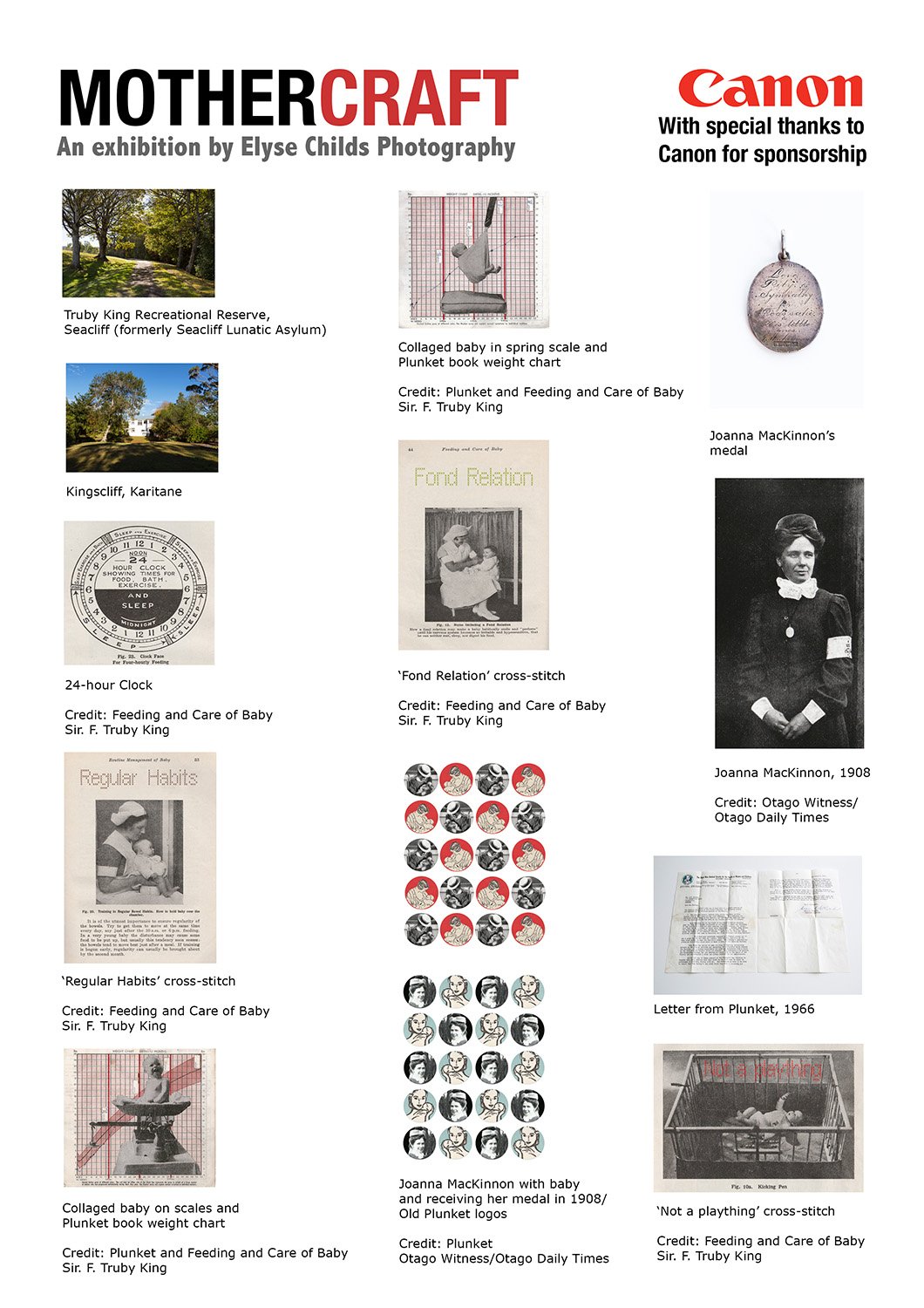
Mothercraft exhibition brochure
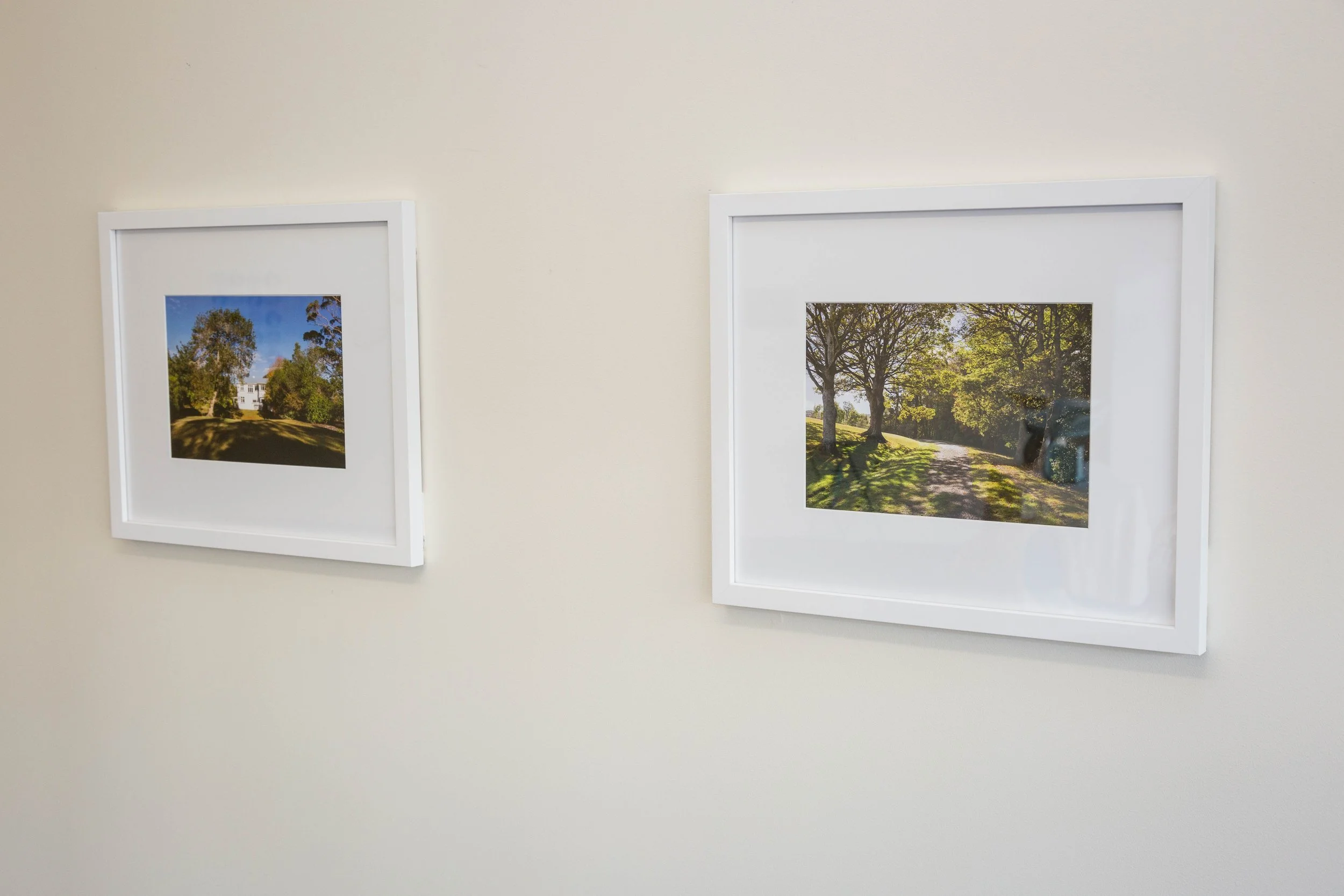
Plunket's birthplaces - Sir Frederic Truby King's Karitane home and Seacliff Lunatic Asylum.
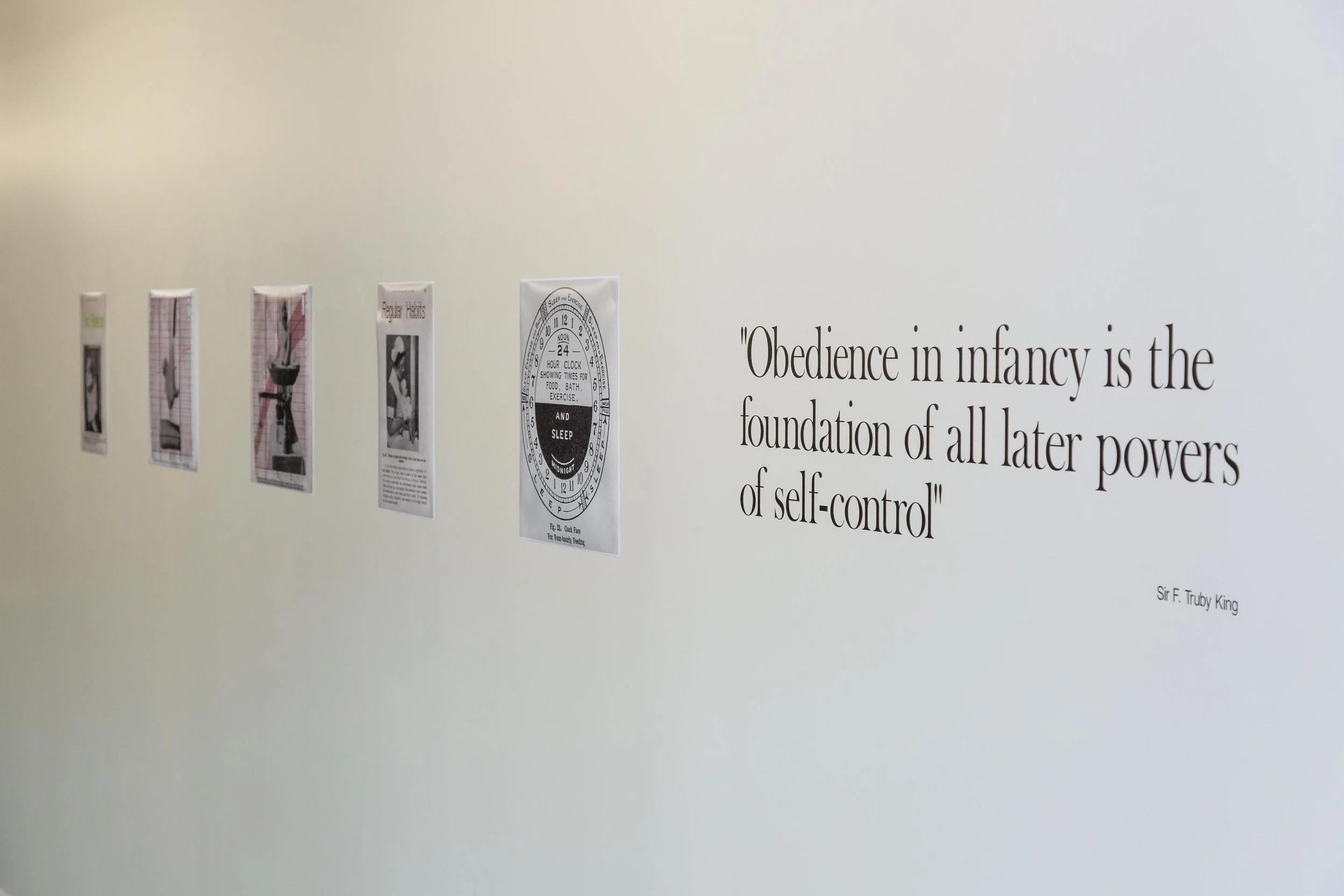
Section of the exhibition which questioned Sir Frederic Truby King's controversial ideologies.
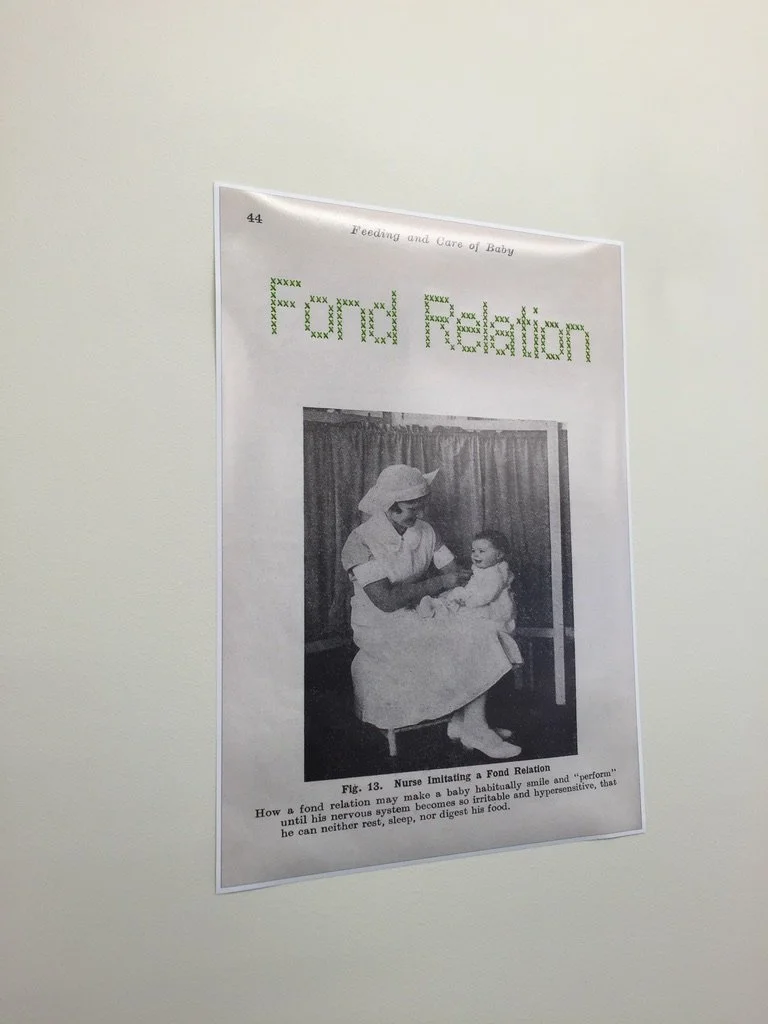
A scan from Sir Frederic Truby King's 1913 book 'Feeding & Care of Baby', with 'Fond Relation' title added in cross-stitch to play on his controversial ideologies. Image in 1942 revised edition.
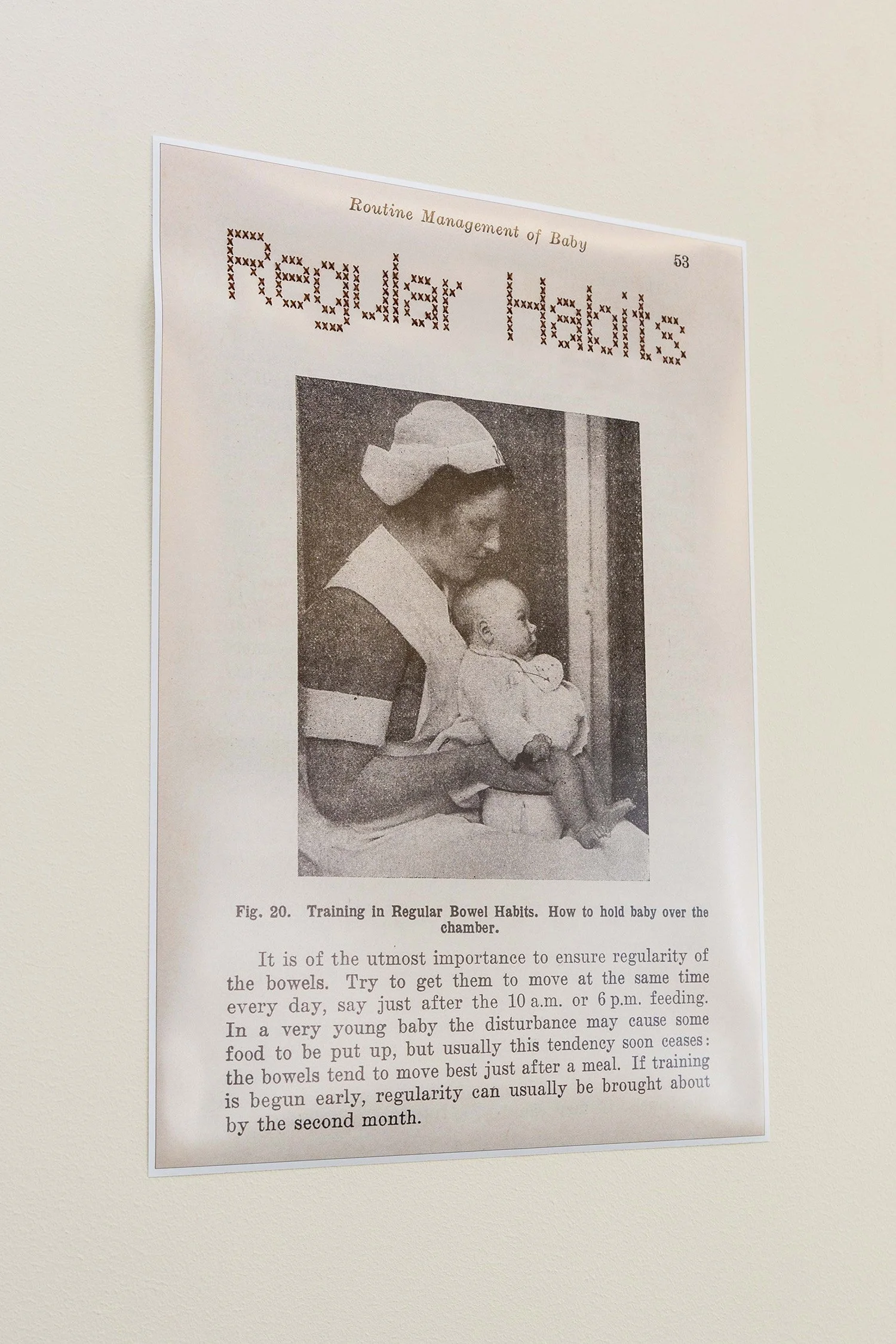
A scan from Sir Frederic Truby King's 1913 book 'Feeding & Care of Baby', with 'Regular Habits' title added in cross-stitch to play on his controversial ideologies. Image in 1942 revised edition.
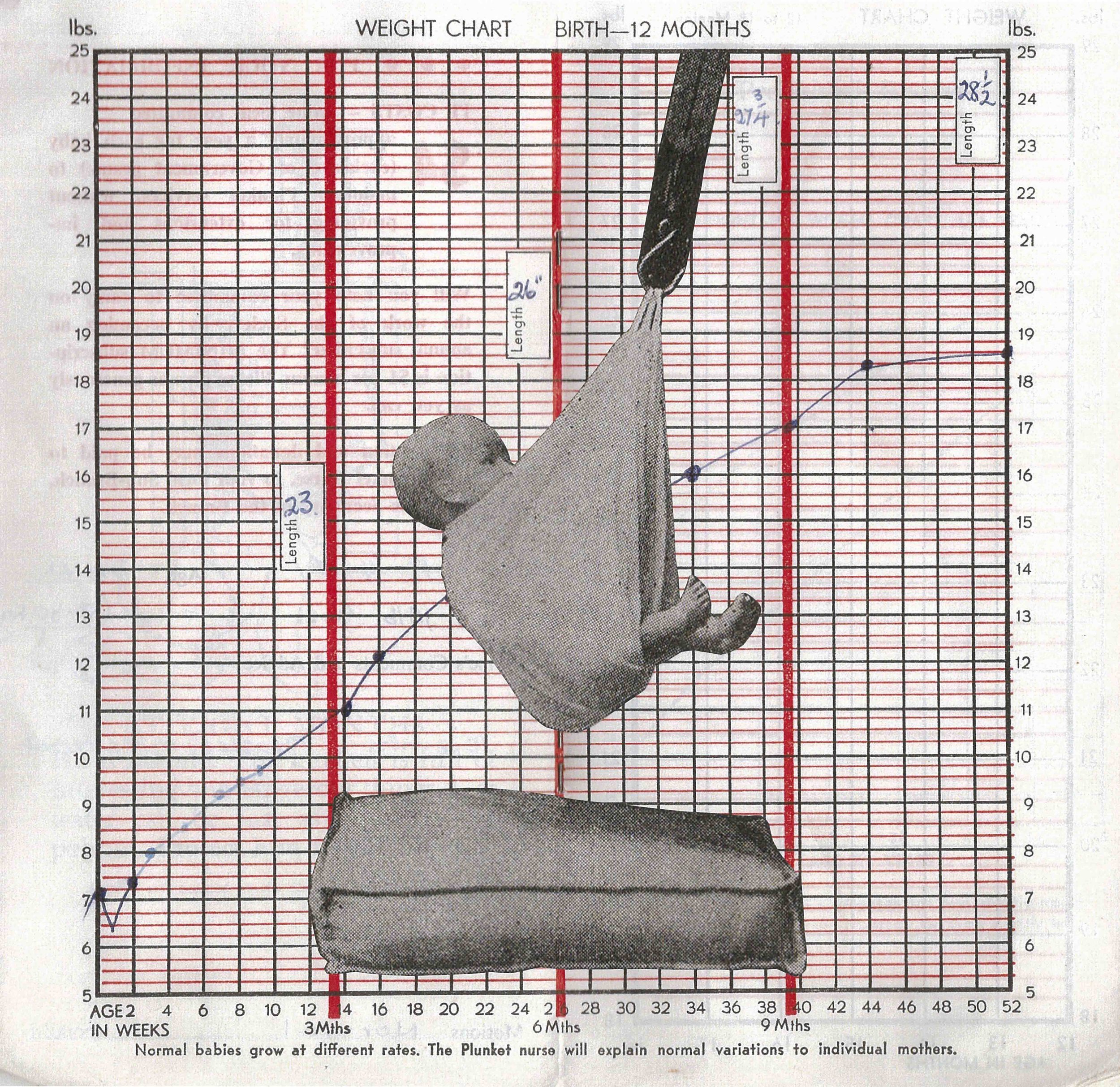
A weight chart from an old Plunket book and a picture of a baby being weighed from Sir Frederic Truby King's 1913 book 'Feeding & Care of Baby' collaged on top to play on his controversial ideologies. Image in 1942 revised edition.
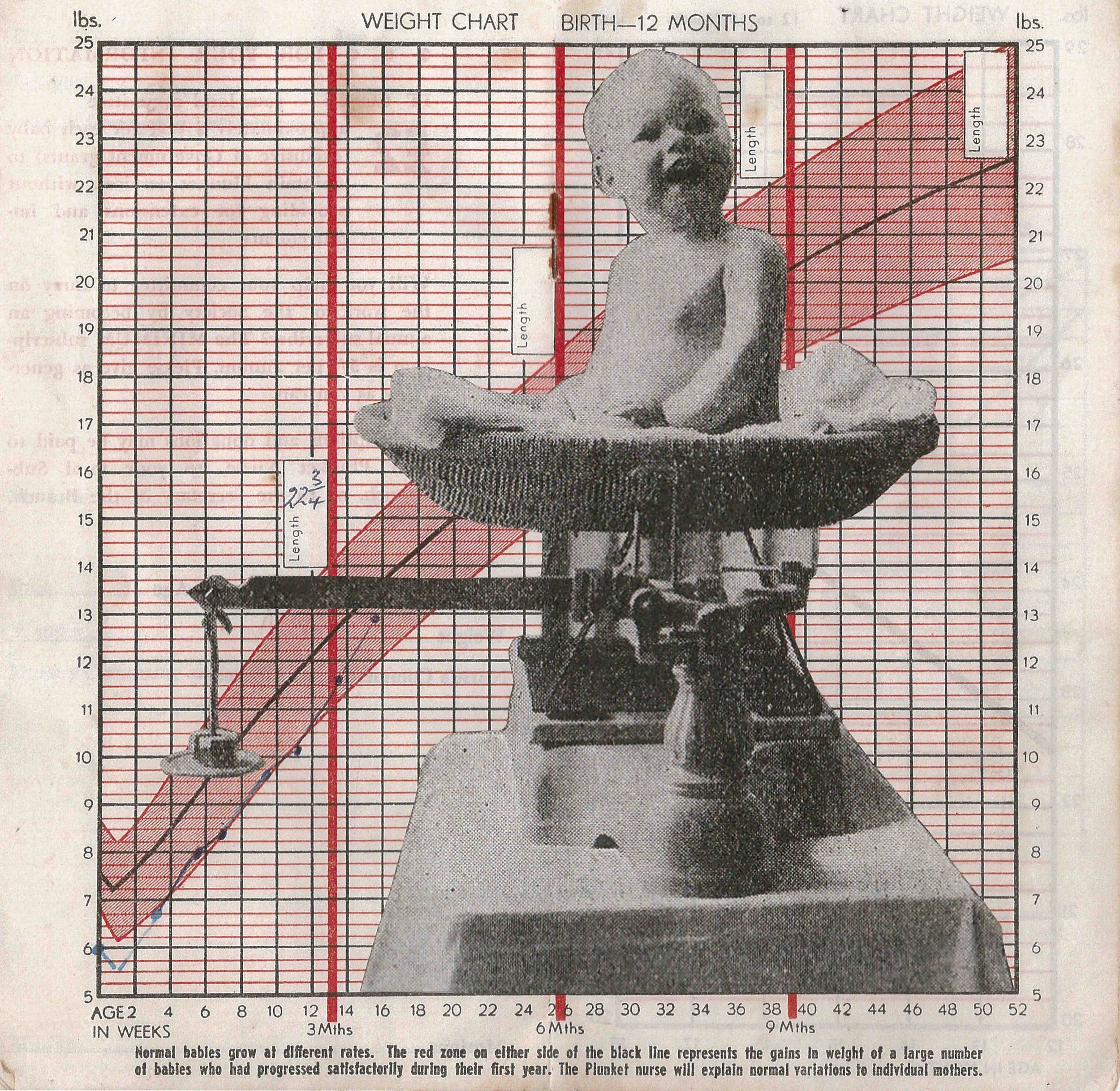
A weight chart from an old Plunket book and a picture of a baby being weighed from Sir Frederic Truby King's 1913 book 'Feeding & Care of Baby' collaged on top to play on his controversial ideologies. Image in 1942 revised edition.
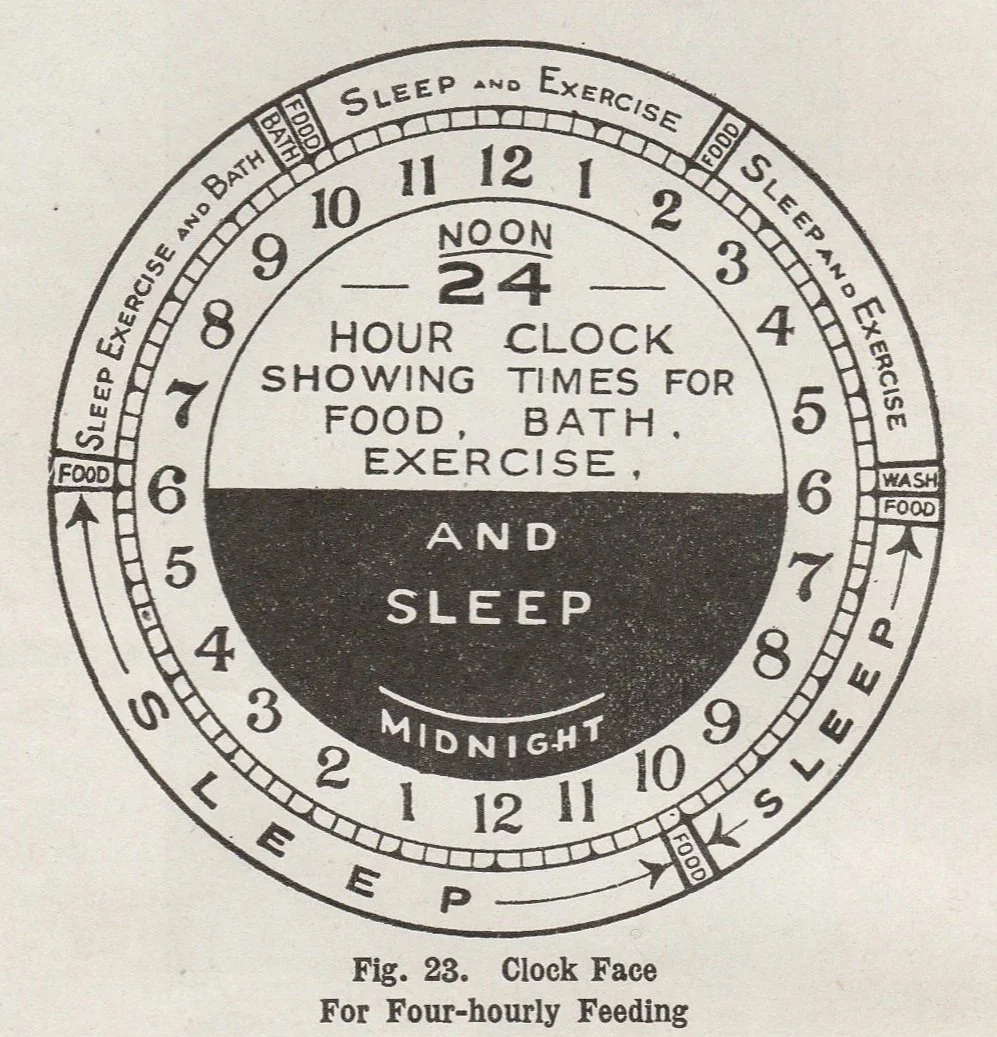
The 24 hour clock from Sir Frederic Truby King's 1913 book 'Feeding and Care of Baby' depicting four hourly feeding. Image in 1942 revised edition.
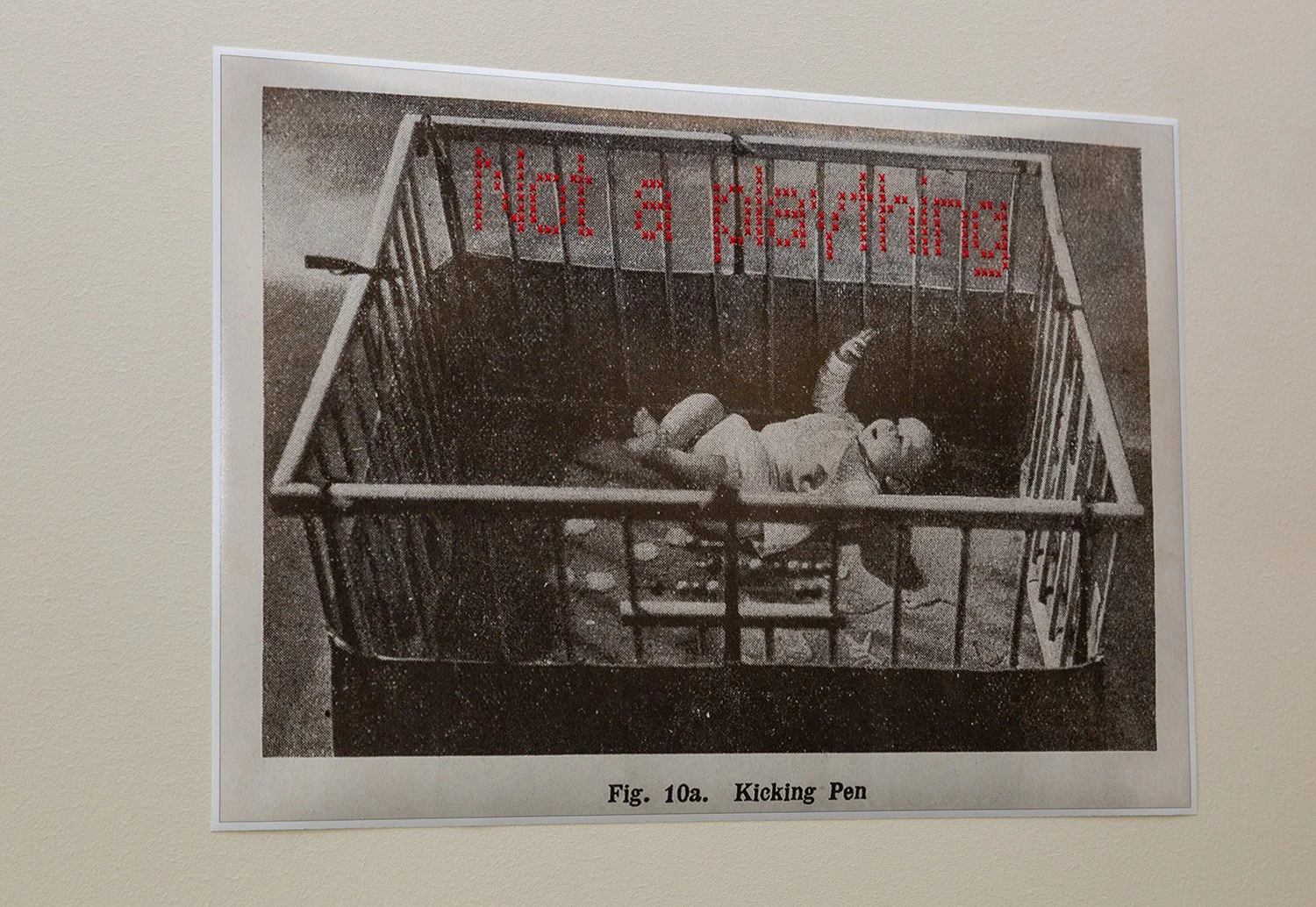
A picture of a baby in a kicking pen from Sir Frederic Truby King's 1913 book 'Feeding and Care of Baby' and the words 'Not a plaything' cross-stitched to play on his controversial ideologies. Image in 1942 revised edition.
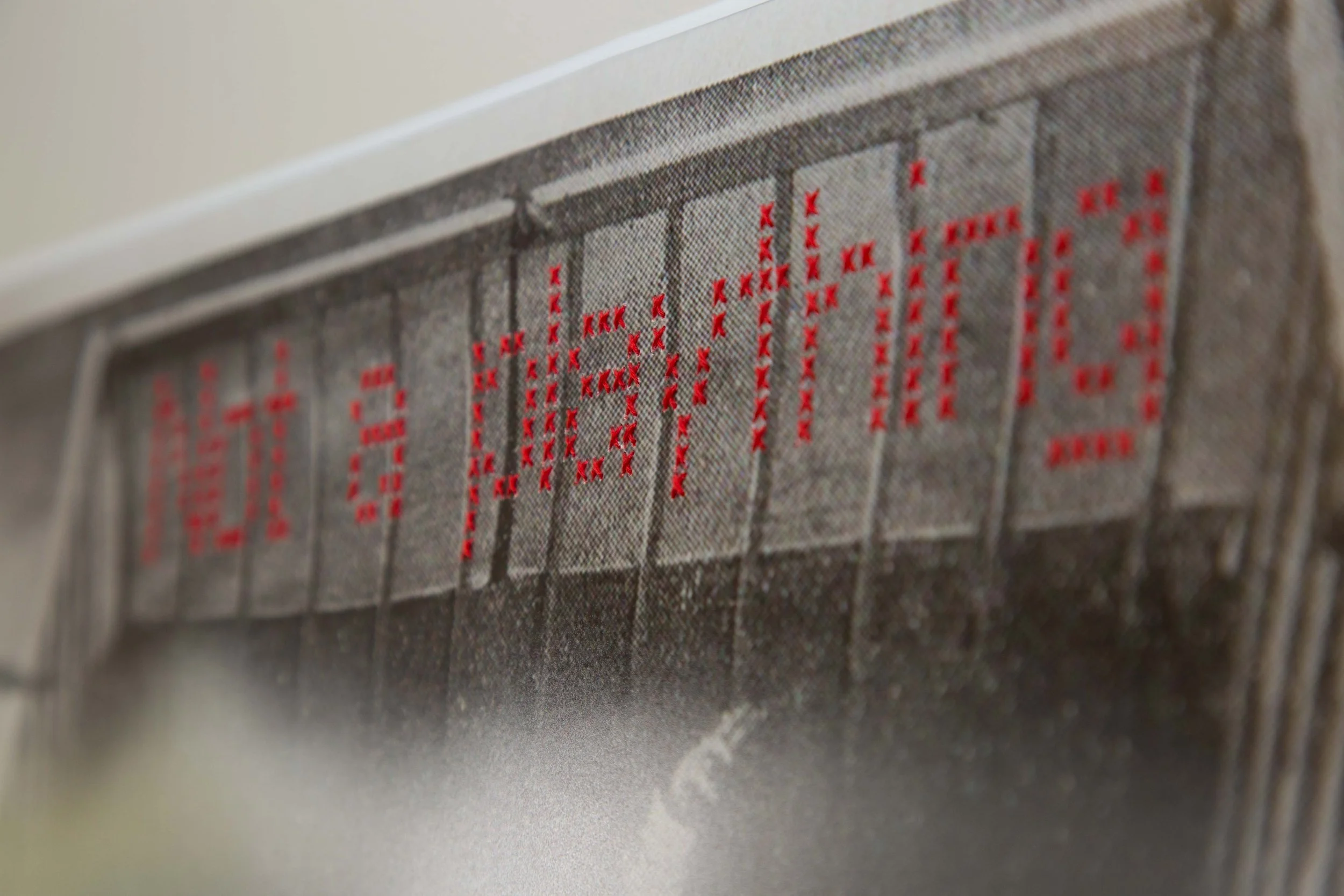
'Not a plaything' cross-stitched on one of Sir Frederic Truby King's images from his 1913 book 'Feeding and Care of Baby.' Image from his 1942 revised edition.
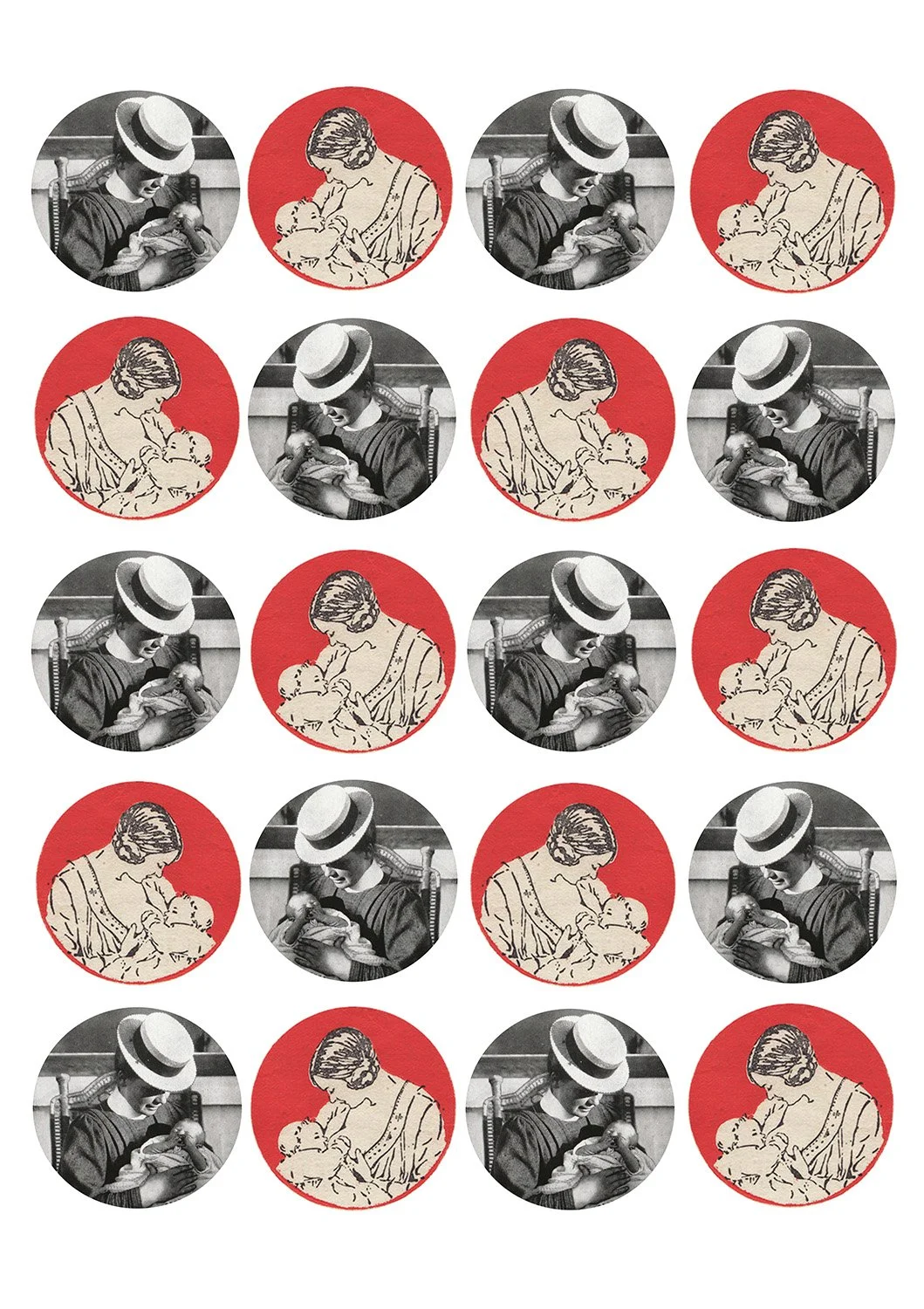
A historical photo of Joanna MacKinnon holding a baby with one of the old Plunket images that featured on Plunket books, highlighting her contribution to Plunket and New Zealand society.
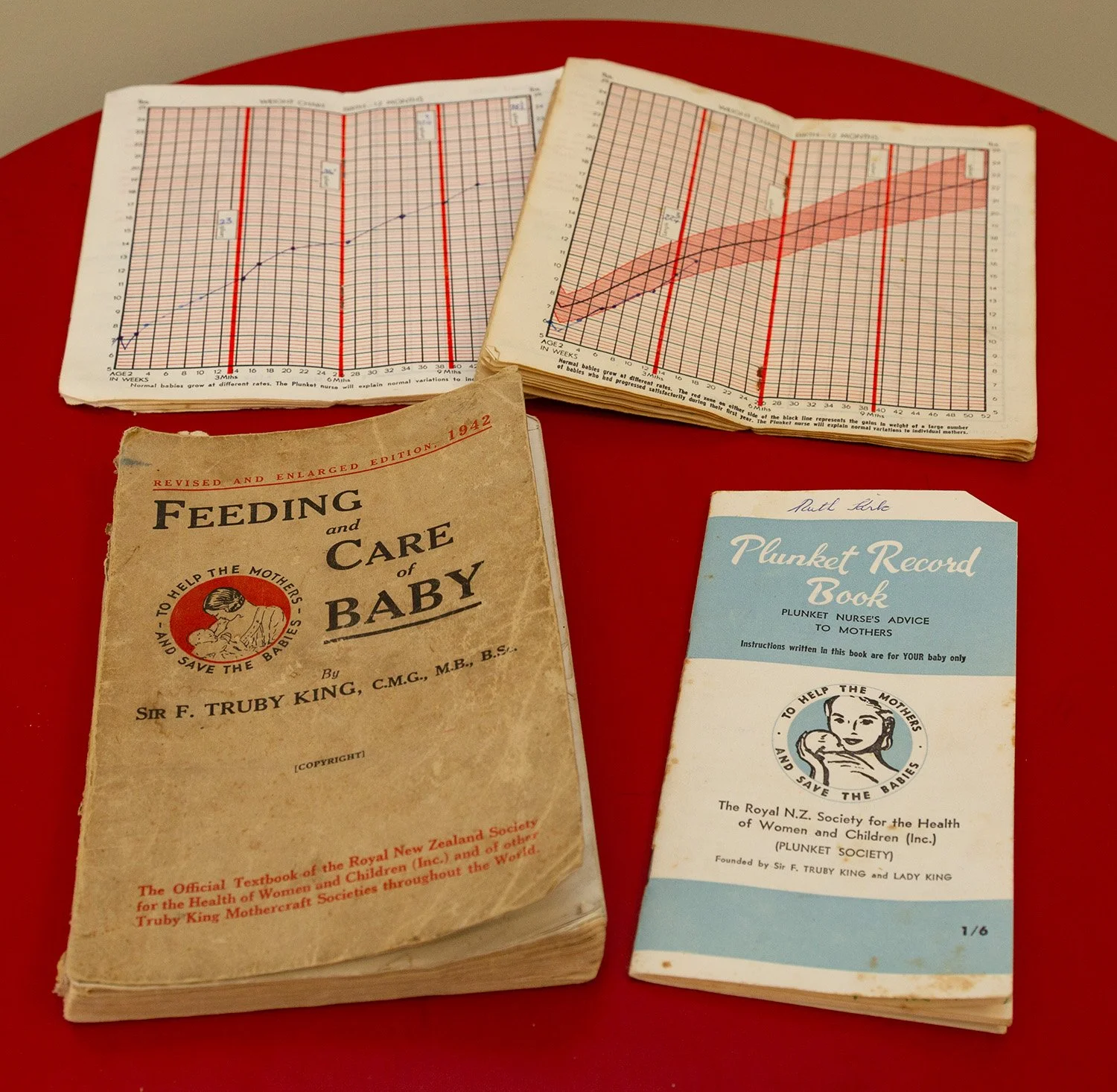
Old Plunket books on display at the exhibition to show where I had sourced the material for my artworks.
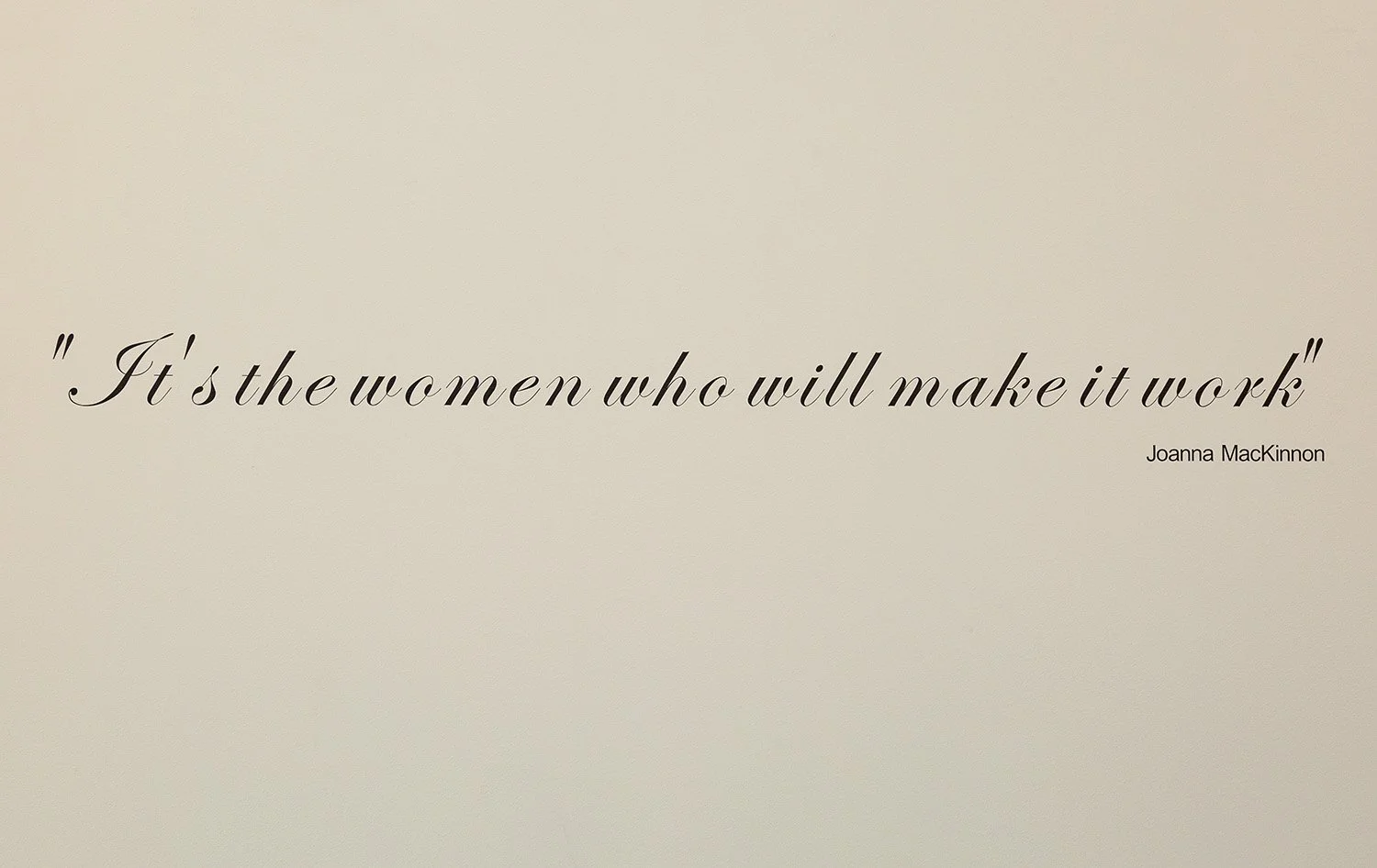
It's the women who will make it work is a quote from Joanna MacKinnon on Plunket Founders Day in 1966 which had been spoken by Sir Frederic Truby King not long after the New Zealand Plunket Society was founded in the early 1900's.
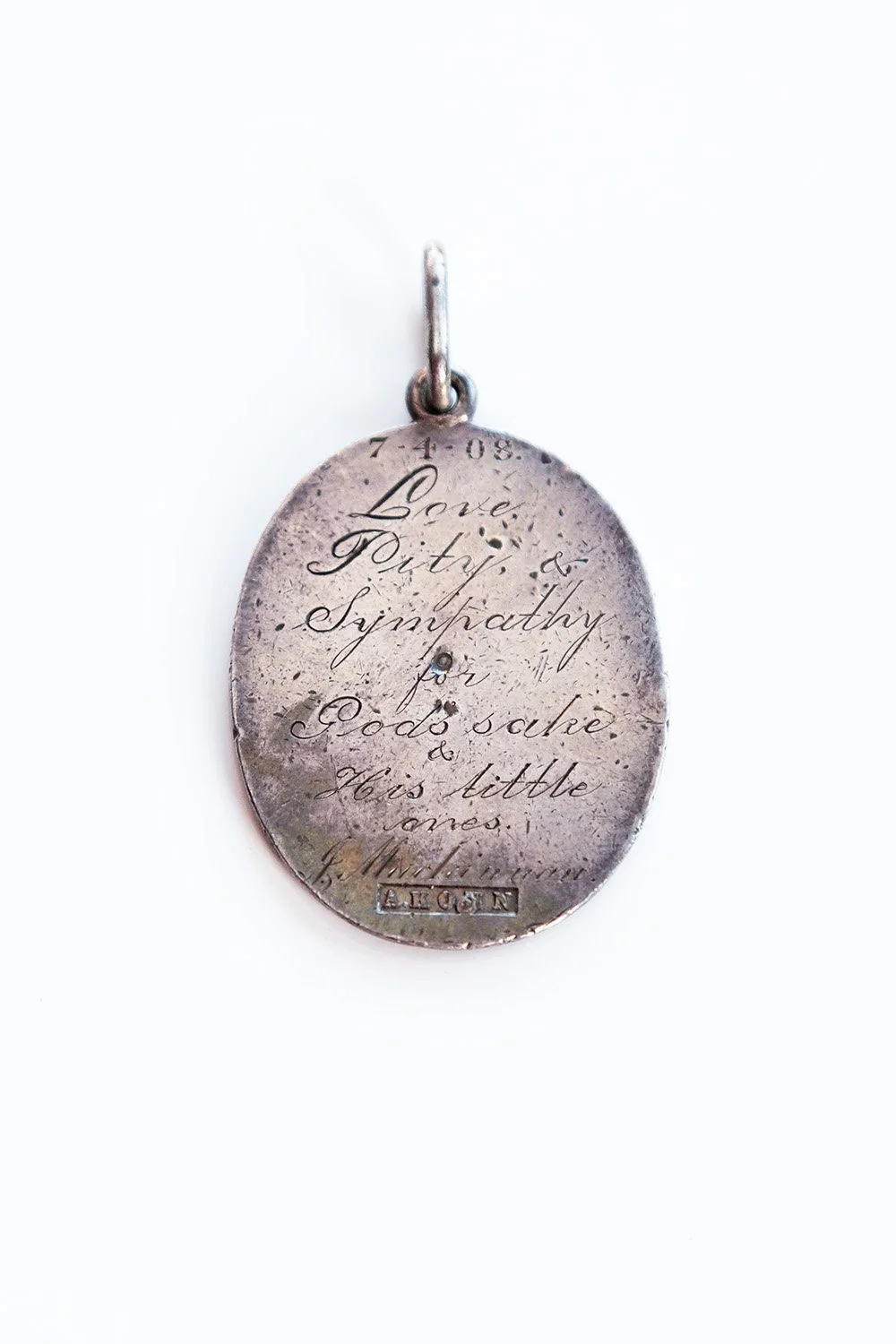
This medal was presented to Joanna in 1908 as New Zealand's first Plunket Nurse. Other nurses needed to relinquish theirs when they were married but because of Joanna's pioneering contributions, we still have this medal in our family today.
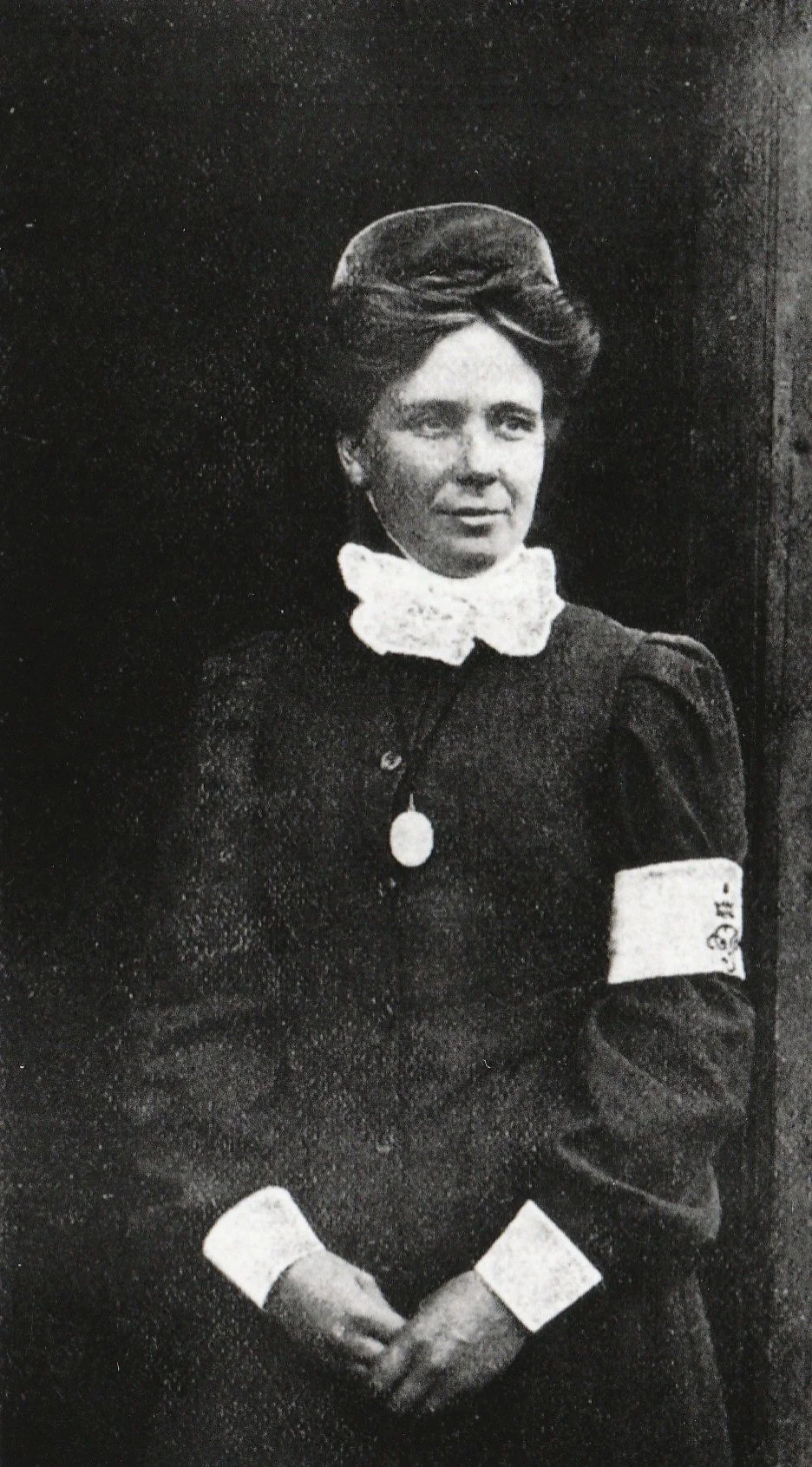
Joanna MacKinnon, my great-great grandmother, posing with her newly presented medal in 1908.

A historical photo of Joanna MacKinnon with one of the old Plunket images that featured on Plunket books, highlighting her contribution to Plunket and New Zealand society.
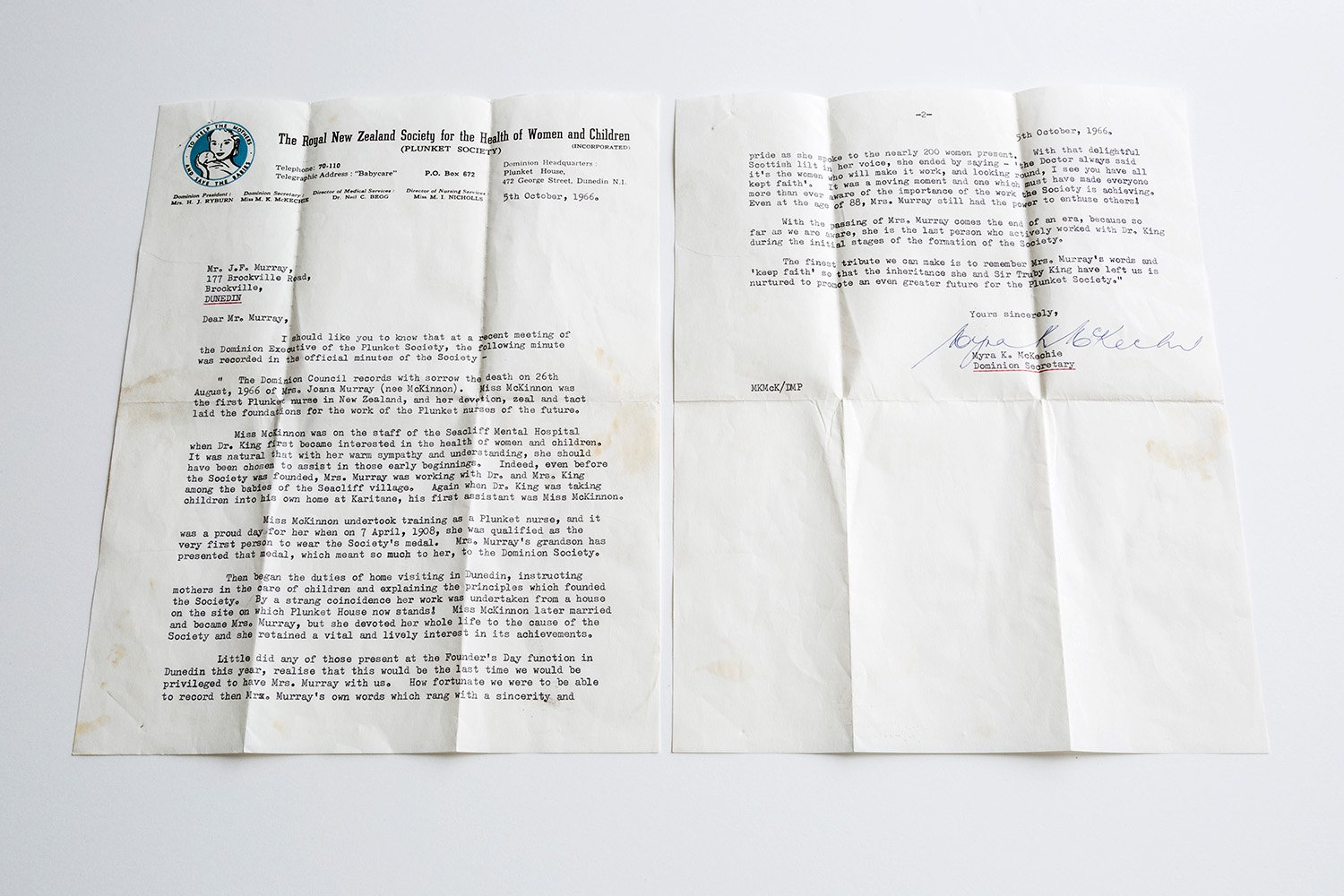
The letter which was sent by the Plunket Society upon news of Joanna's passing in 1966, acknowledging her pioneering contribution and lifelong dedication to Plunket and society.
Alternative Photographic Processes
During my photography diploma, I was introduced to historical alternative photographic processes. My favourite was the cyanotype, which uses iron salts and UV light to produce blue prints. The other was the salt print which has produced the brown image below. Salt printing is one of the earliest photographic processes, invented by William Henry Fox Talbot in the 1830’s. The salt print is made by coating watercolour paper with salt solution, sensitizing it with silver nitrate and exposing it to a negative under UV light. Little did I know that when I photographed the wagon wheel at Bendigo near Tarras and the famous Cardrona Hotel in 2007, just a short time before I produced these prints, that years later I would live within half an hour of each. I revisited Bendigo in 2025, as I took both photos on a special South Island trip with my late Grandad. Cardrona Hotel remains a favourite lunch spot and place to take visitors. The dinghy was photographed while I lived in Auckland and was about to embark on my two year diploma, which would shape my future as a visual artist.
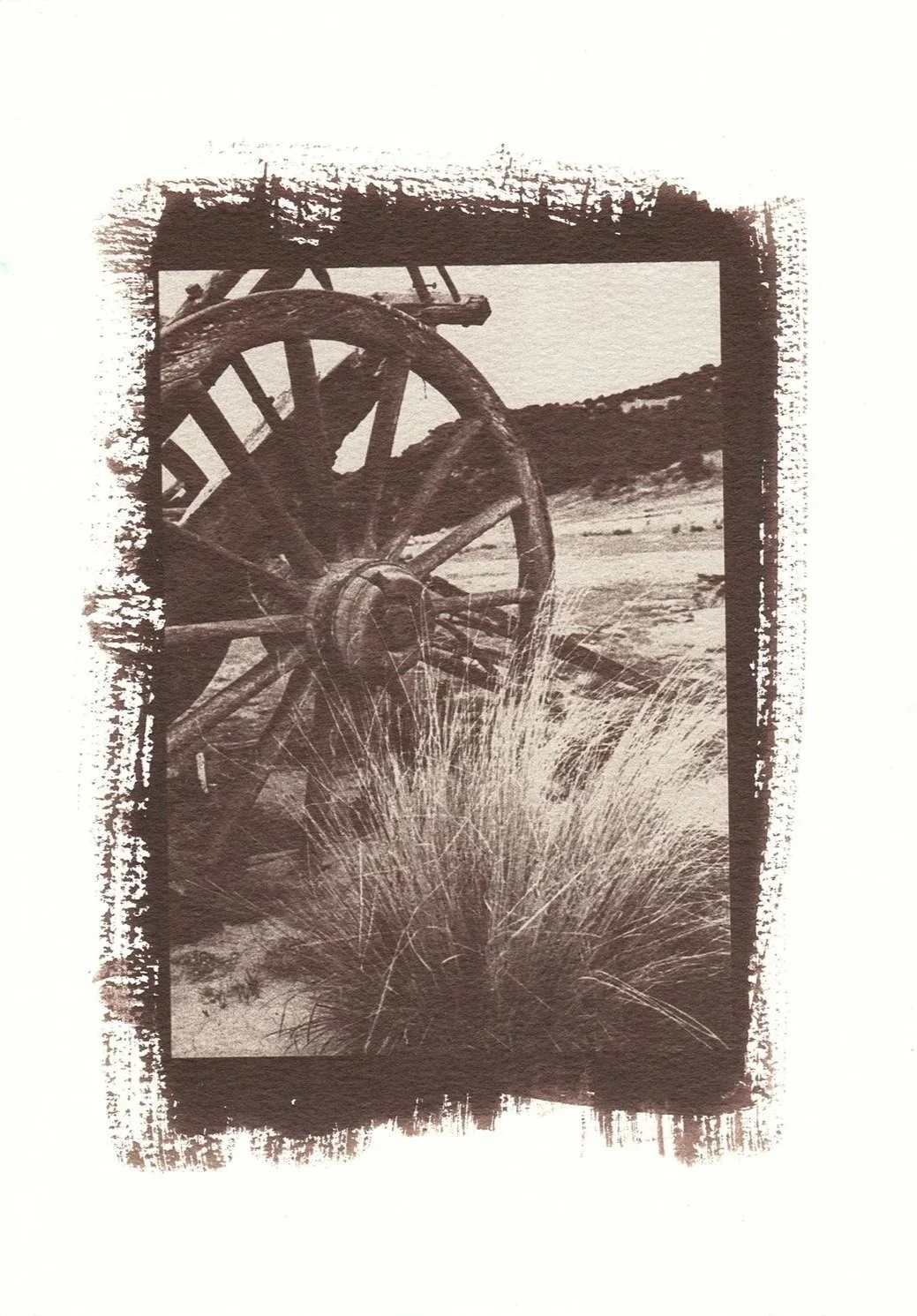
Salt print of a wagon wheel, Bendigo, Central Otago, New Zealand
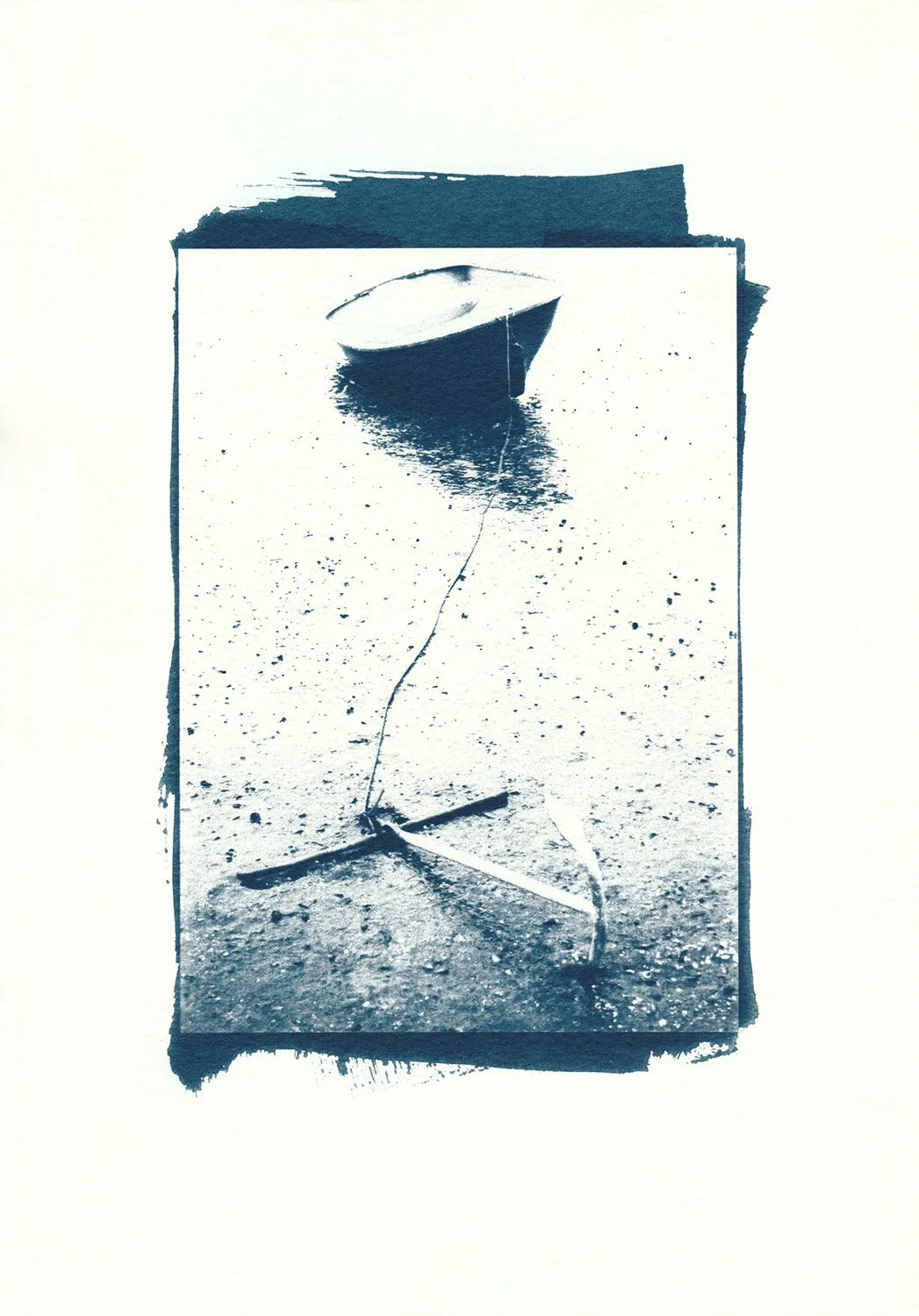
Cyanotype of a dinghy with anchor on the shore, Auckland, New Zealand
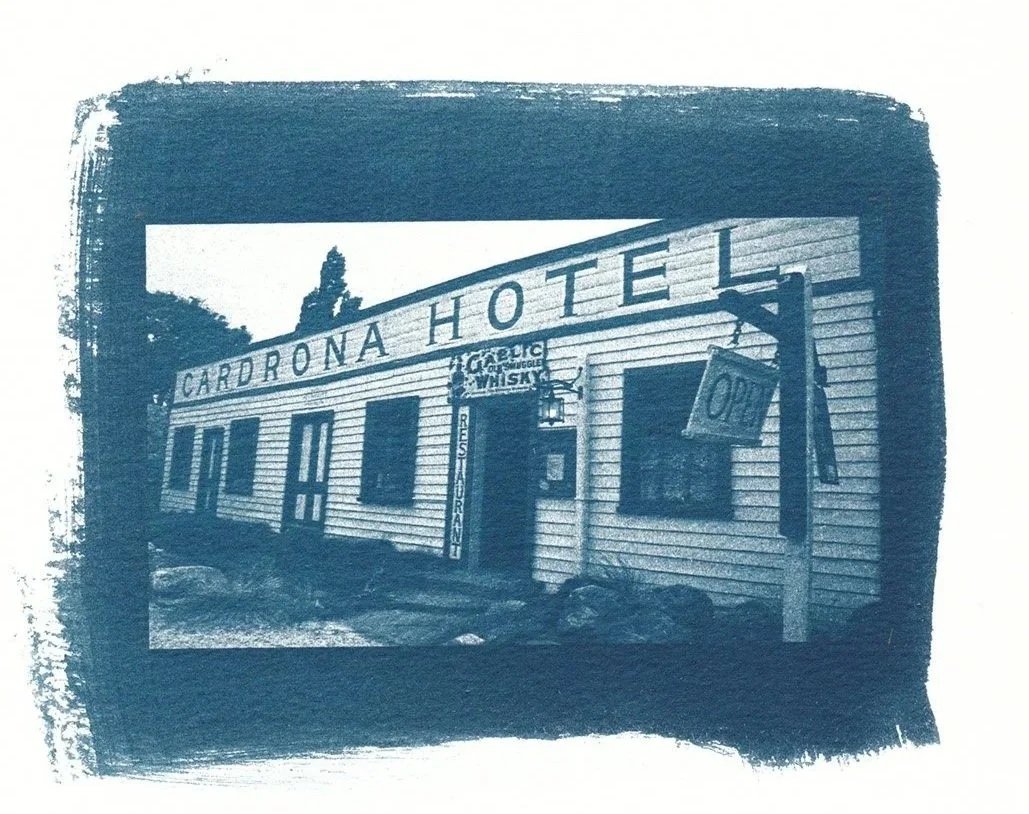
Cyanotype of Cardrona Hotel, Cardrona Valley, New Zealand
Publications & press
A couple of published articles featuring my work and my photo on the back cover of the New Zealand Seafood Cookbook, published by Penguin in 2009. The NZ House & Garden article features visual and fibre artist Birgit Moffatt who I studied with at Whitireia. The Porirua News article talks about my win at the Porirua Photography Club (formerly known as the Kapiti Camera Club) with my promotional images of band ‘Destroy the Night’.
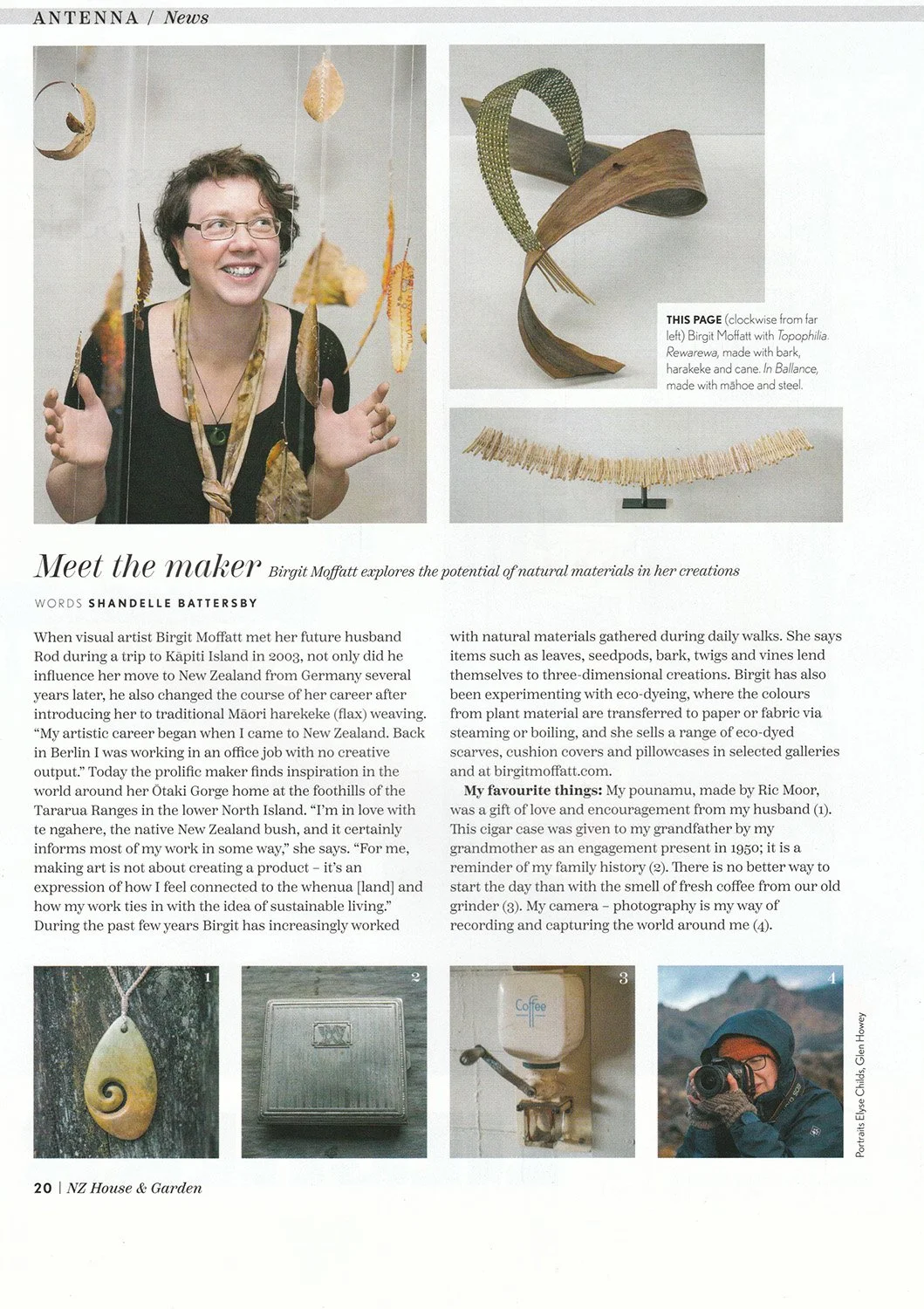
Photo of Birgit Moffatt, (top left), featured in the NZ House & Garden magazine.
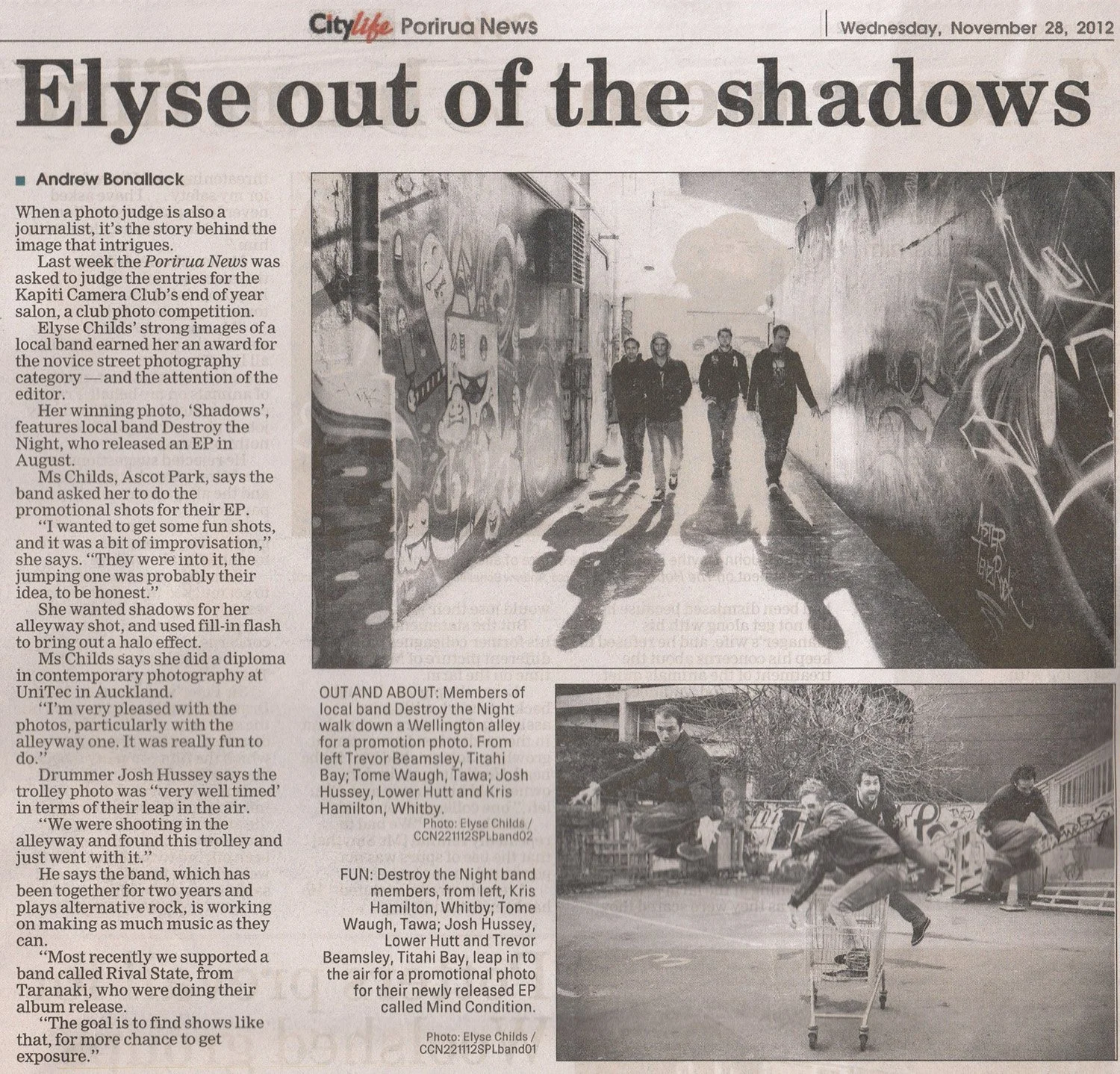
Article about my photos for band Destroy the Night in the CityLife Porirua News.
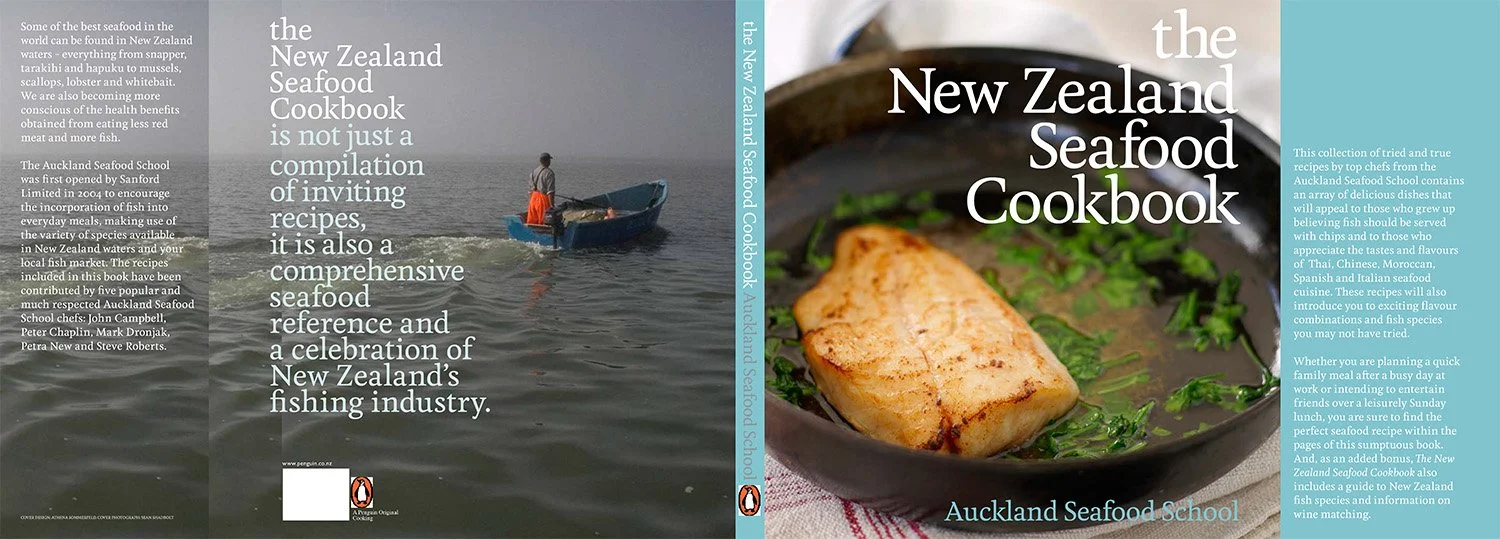
My photo on the back cover of Ruawai mullet & flounder fisherman, Chris Matich. This edition of the New Zealand Seafood Cookbook was published in 2009 by Penguin books.